
Overview
This project explored how positionality can be used as a reflective design method to better understand identity, power, and lived experience.
Using a positionality flower, Geo-Self Portrait, and material archive cards, I mapped aspects of my identity across multiple dimensions. I then translated this reflection into a zine exploring how white womanhood can involve gendered disadvantage while still carrying advantages tied to whiteness and class.
The project ultimately challenged a single-perspective understanding of oppression. Rather than presenting identity as fixed, the zine explored positionality as relational, uncomfortable, and context-dependent.
When: February 2026
Where: Intercultural Perspectives & Inclusive Information Design Course
Skills Developed:
- Positionality mapping
- Visual storytelling
- Intersectional analysis
- Illustration and layout design
- Reflective writing
Tools Used:
- Procreate
- Canva
- Freeform
- Personal photography
- Google Docs
The Context
Why does this project matter?
Design does not happen from a neutral position. The way people interpret information is shaped by the systems they move through and the power they hold within them.
This project asked how reflective practice can become a design tool for recognizing positionality. As a woman, I was especially interested in the tension between feeling disadvantaged in some contexts while also benefiting from privilege in others. Through the zine format, I explored this tension in a way that was personal and intentionally uncomfortable.
The final piece invites viewers, especially white women, to reflect on how feminist narratives can sometimes centre personal struggle without fully acknowledging the privileges that shape whose voices are heard, protected, or prioritized.
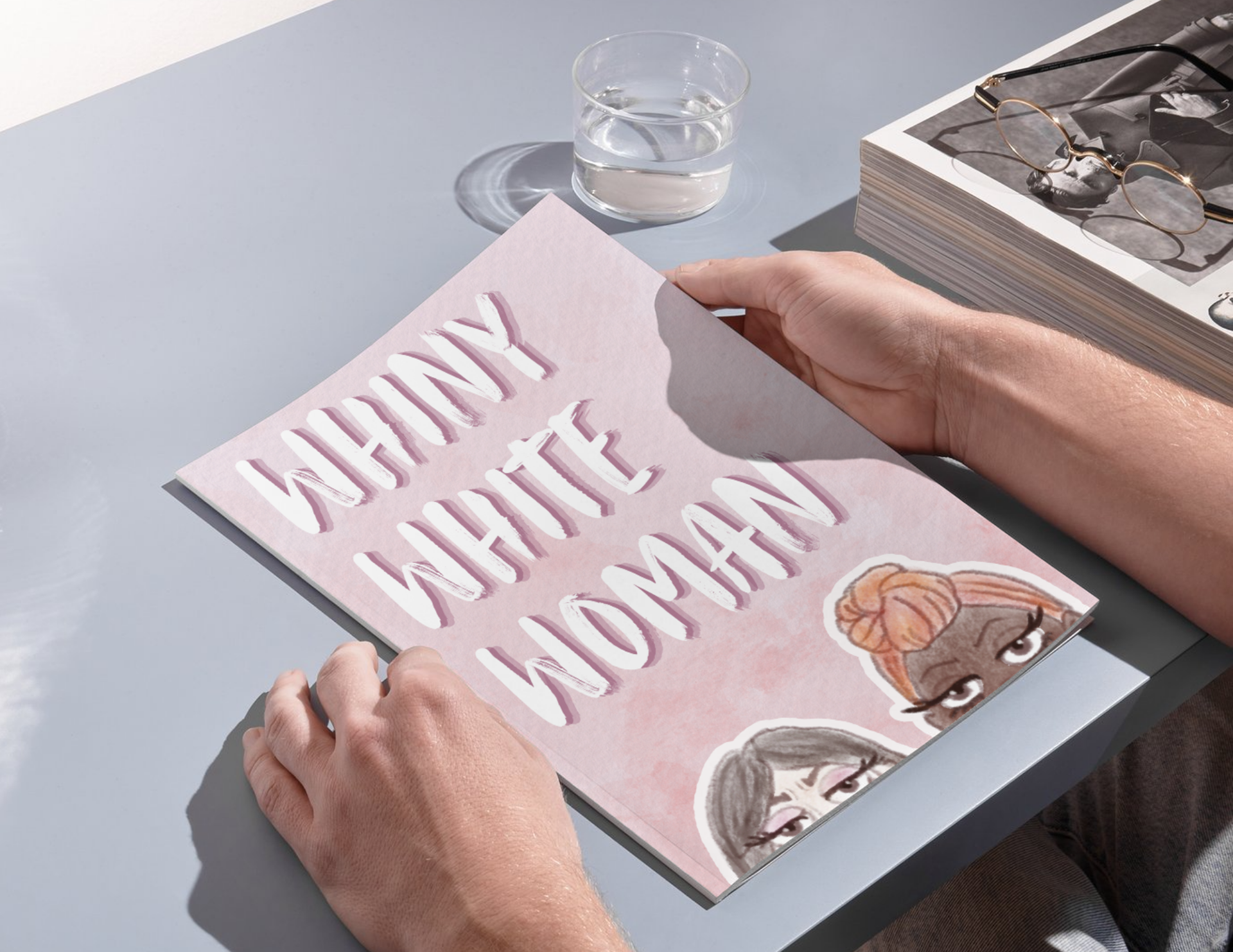
Mockup of zine 1
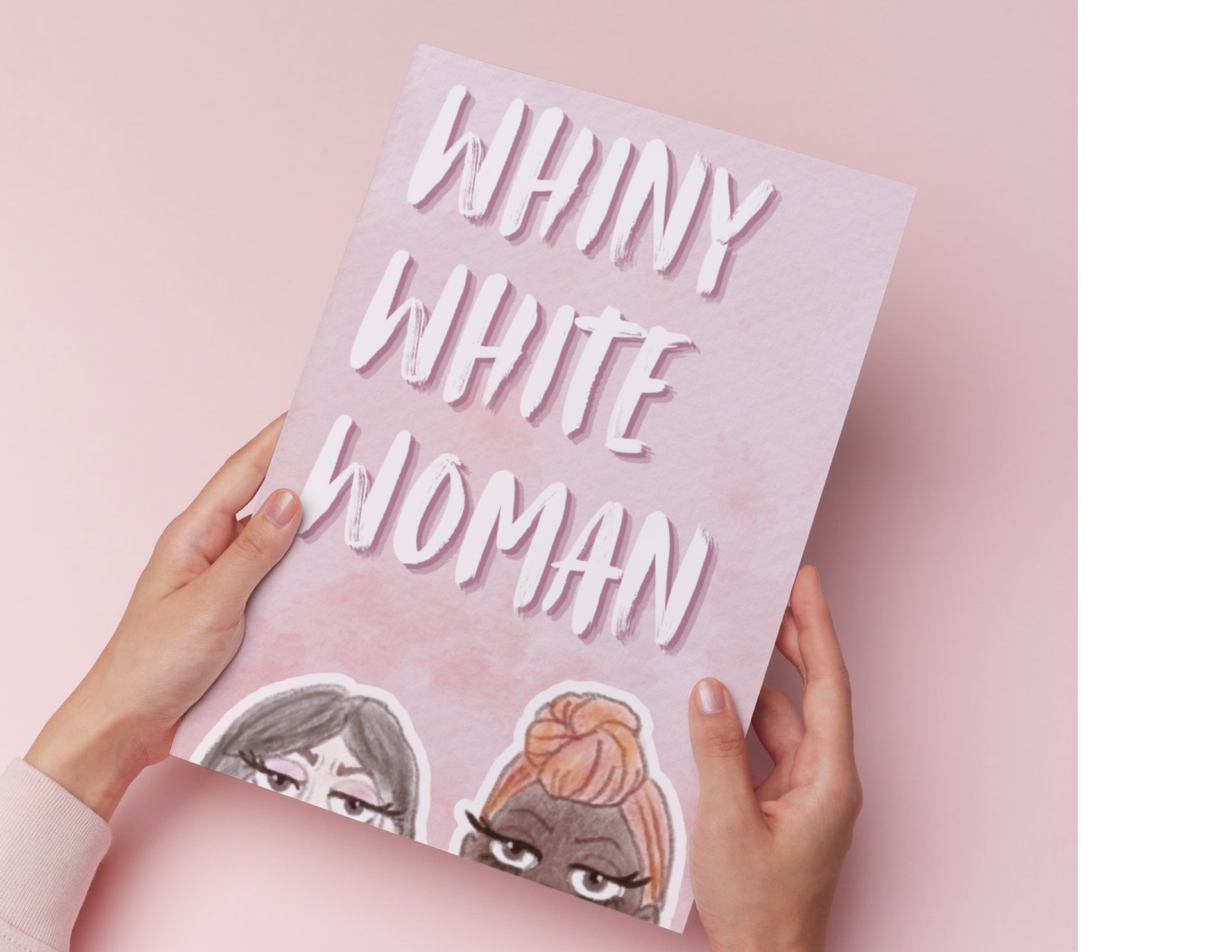
Mockup of zine 2
The Process
How can positionality help reveal the privileges, tensions, and responsibilities I carry into design?
Mapping positionality
I began by creating a positionality flower to identify different aspects of my identity and understand how each related to power. This helped me recognize that privilege and marginalization are not fixed categories; they shift depending on context, place, and relationship.
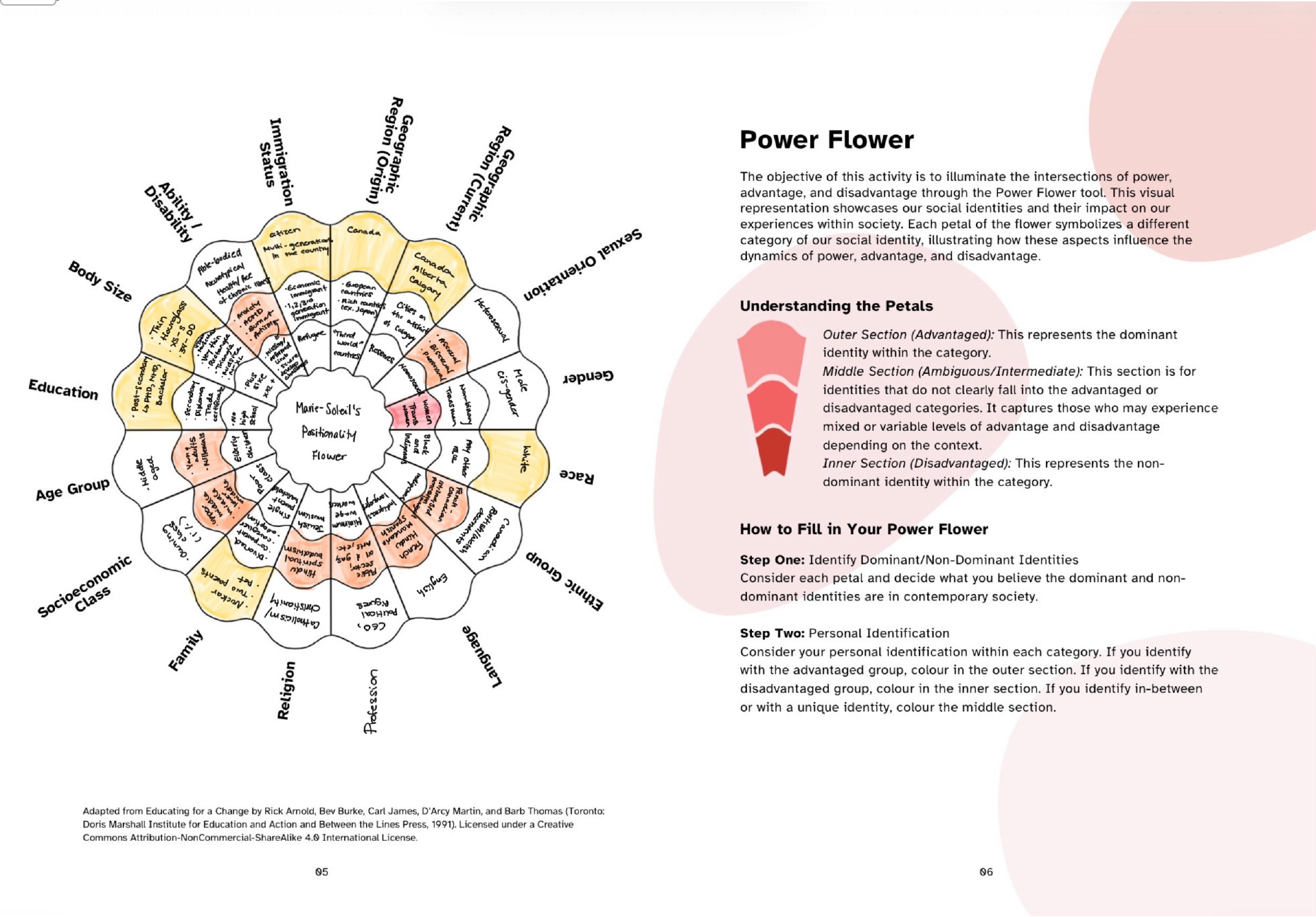
Positionality Flower Exercise
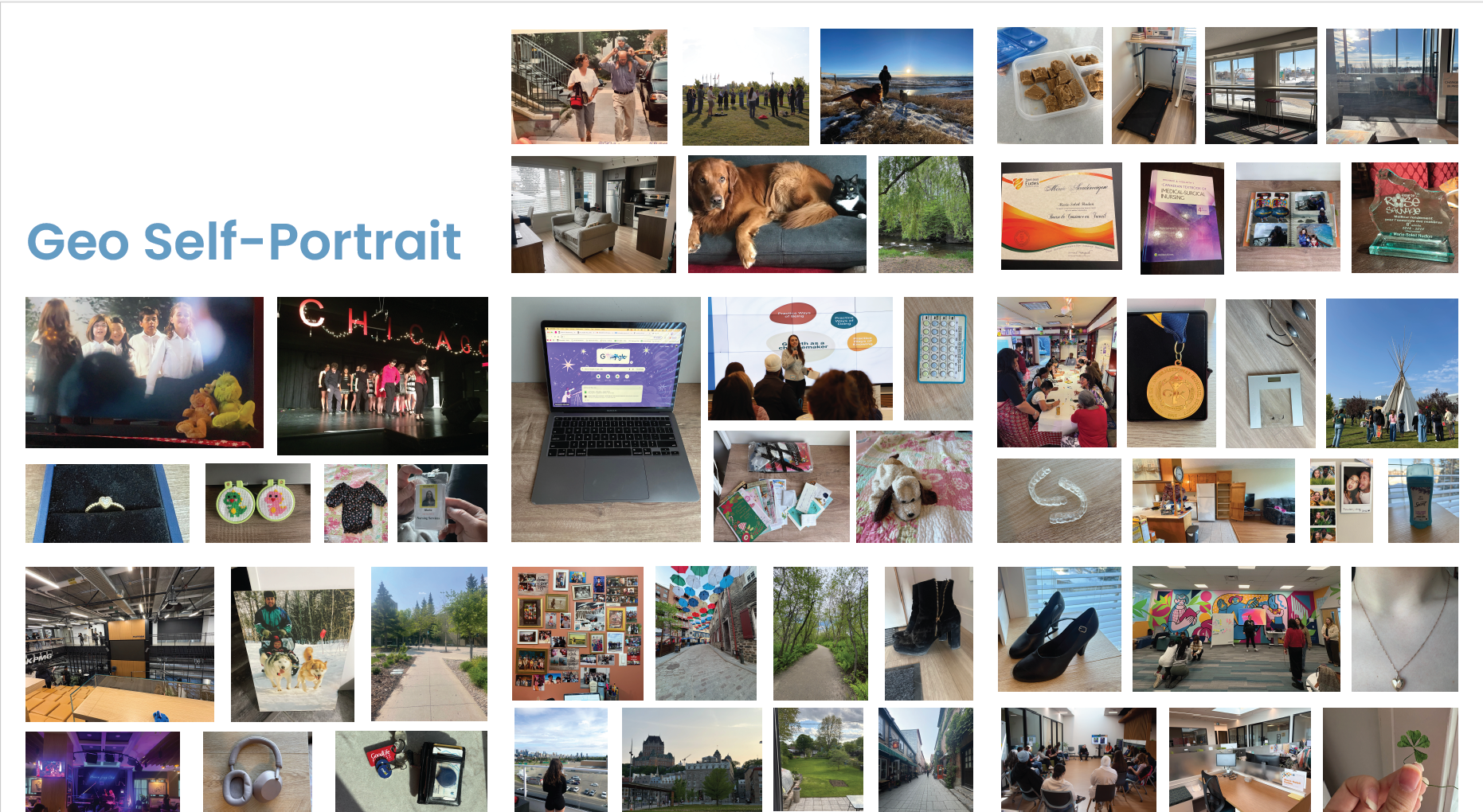
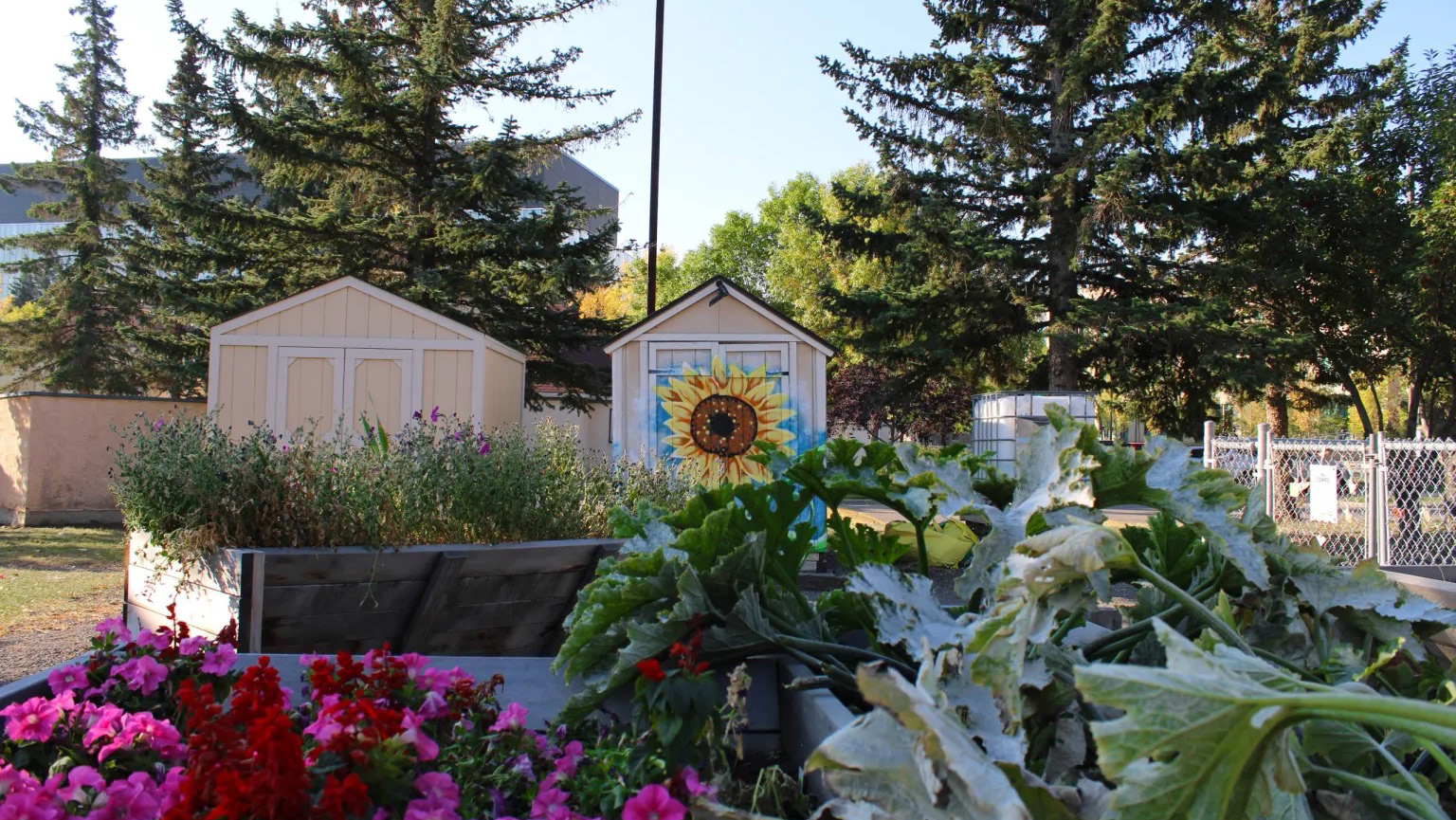
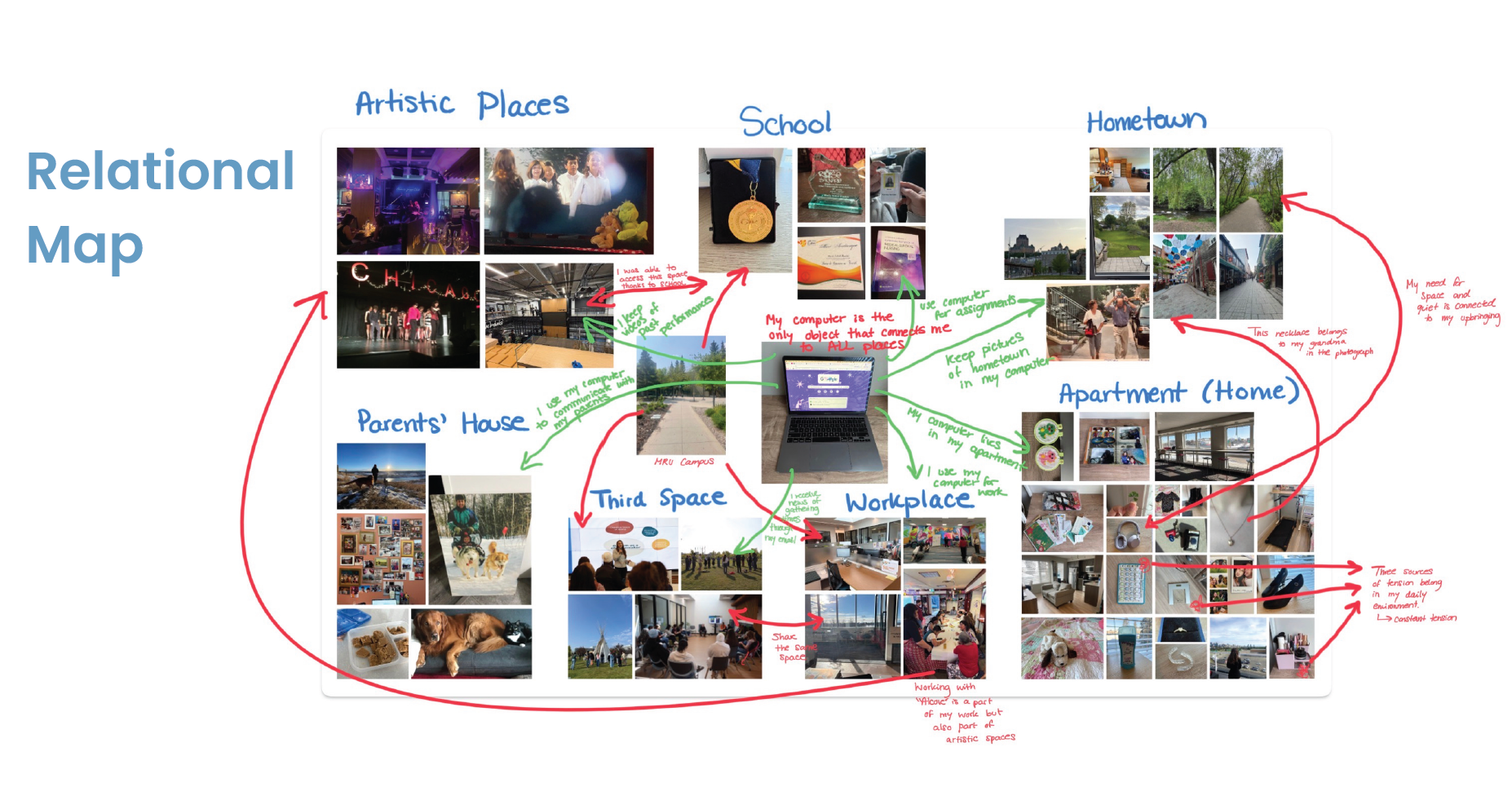
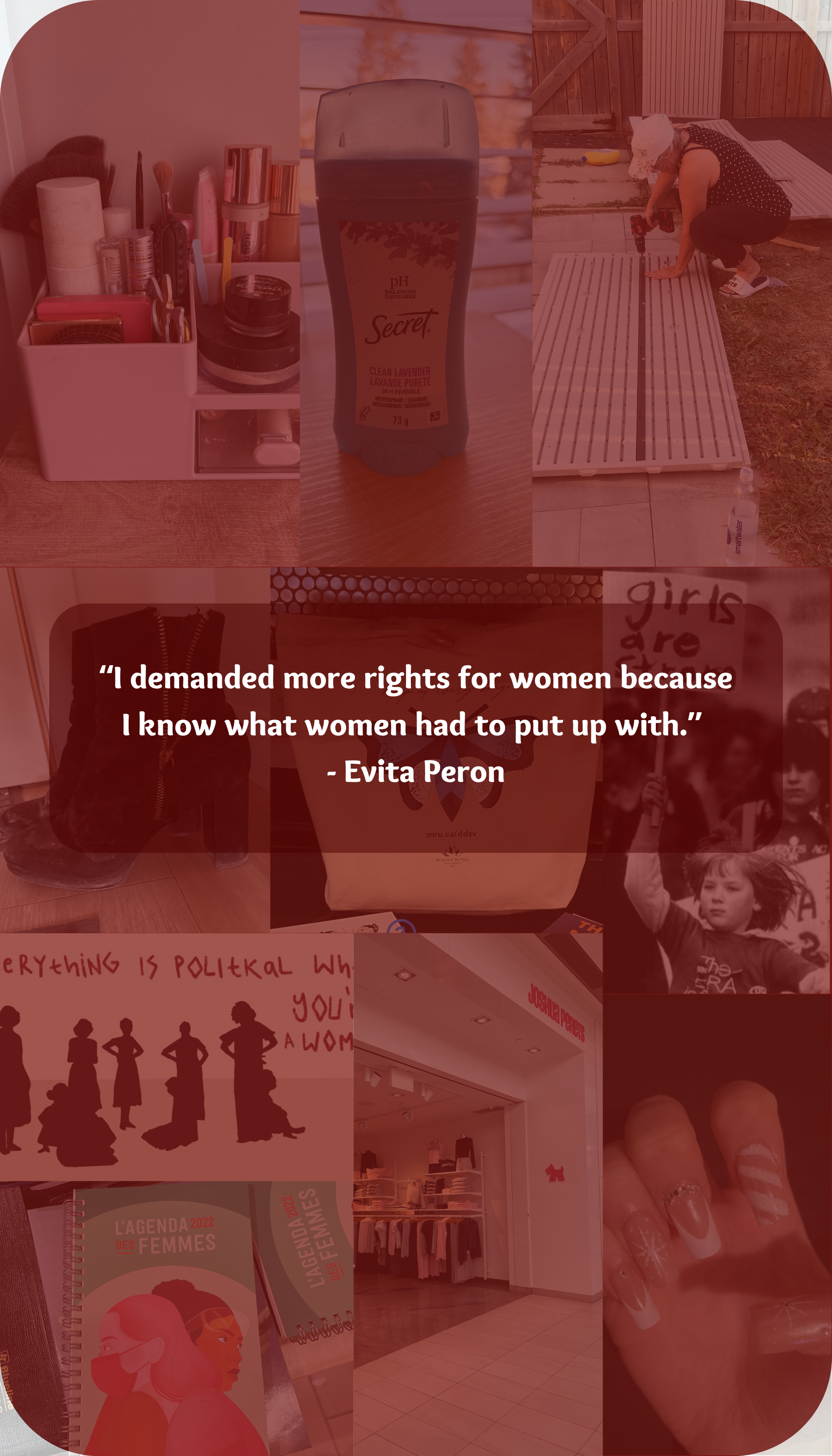
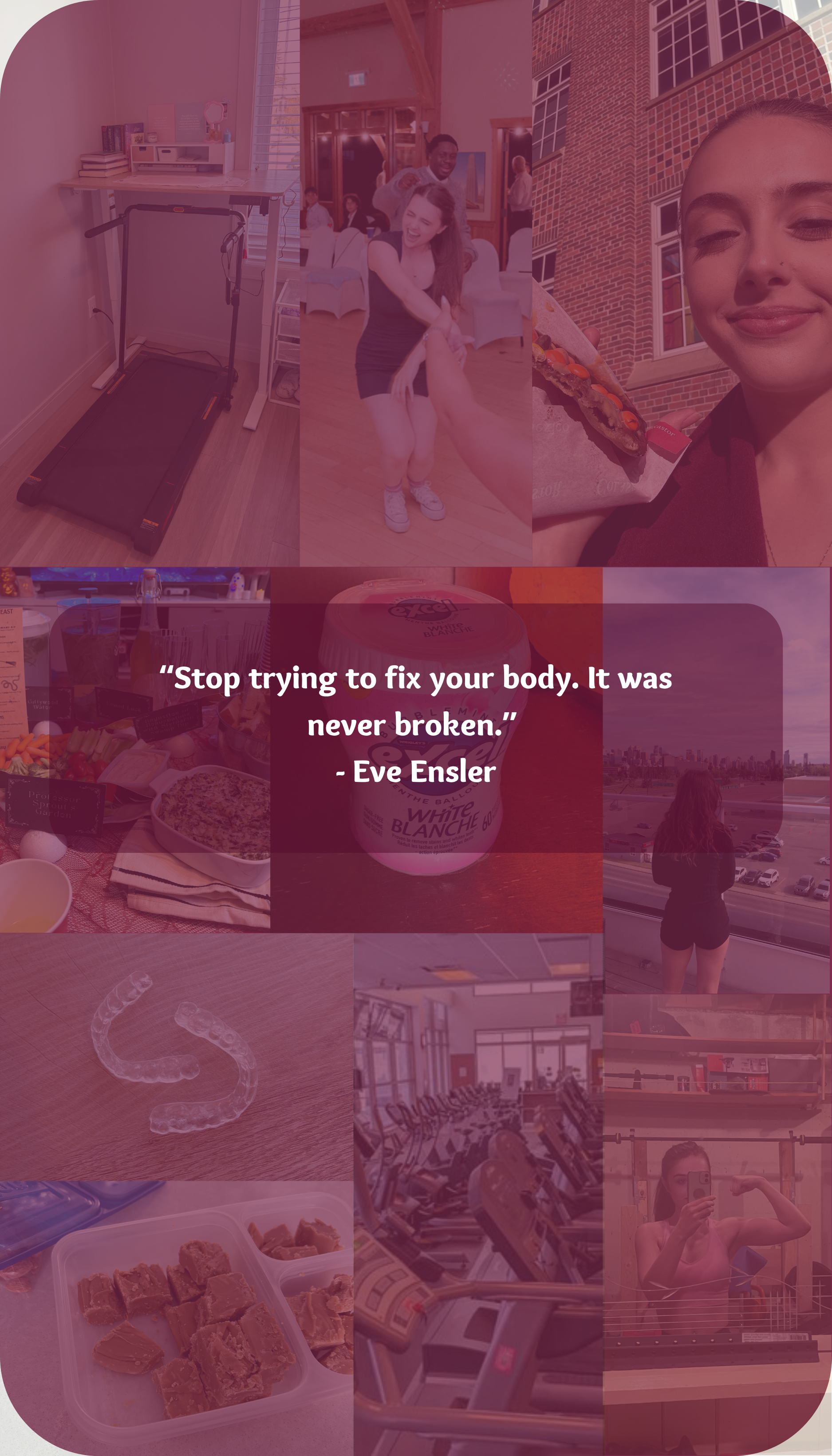
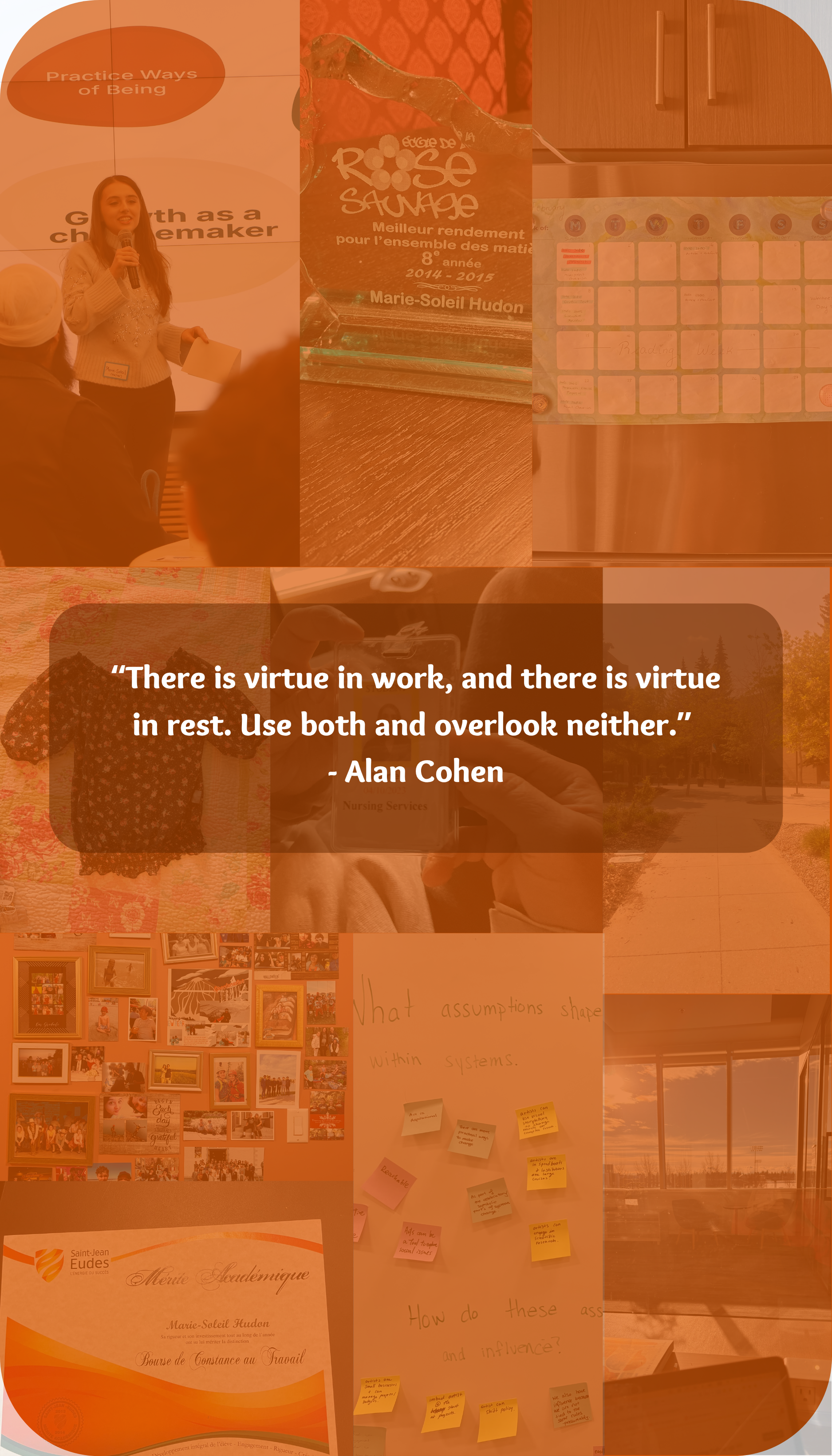
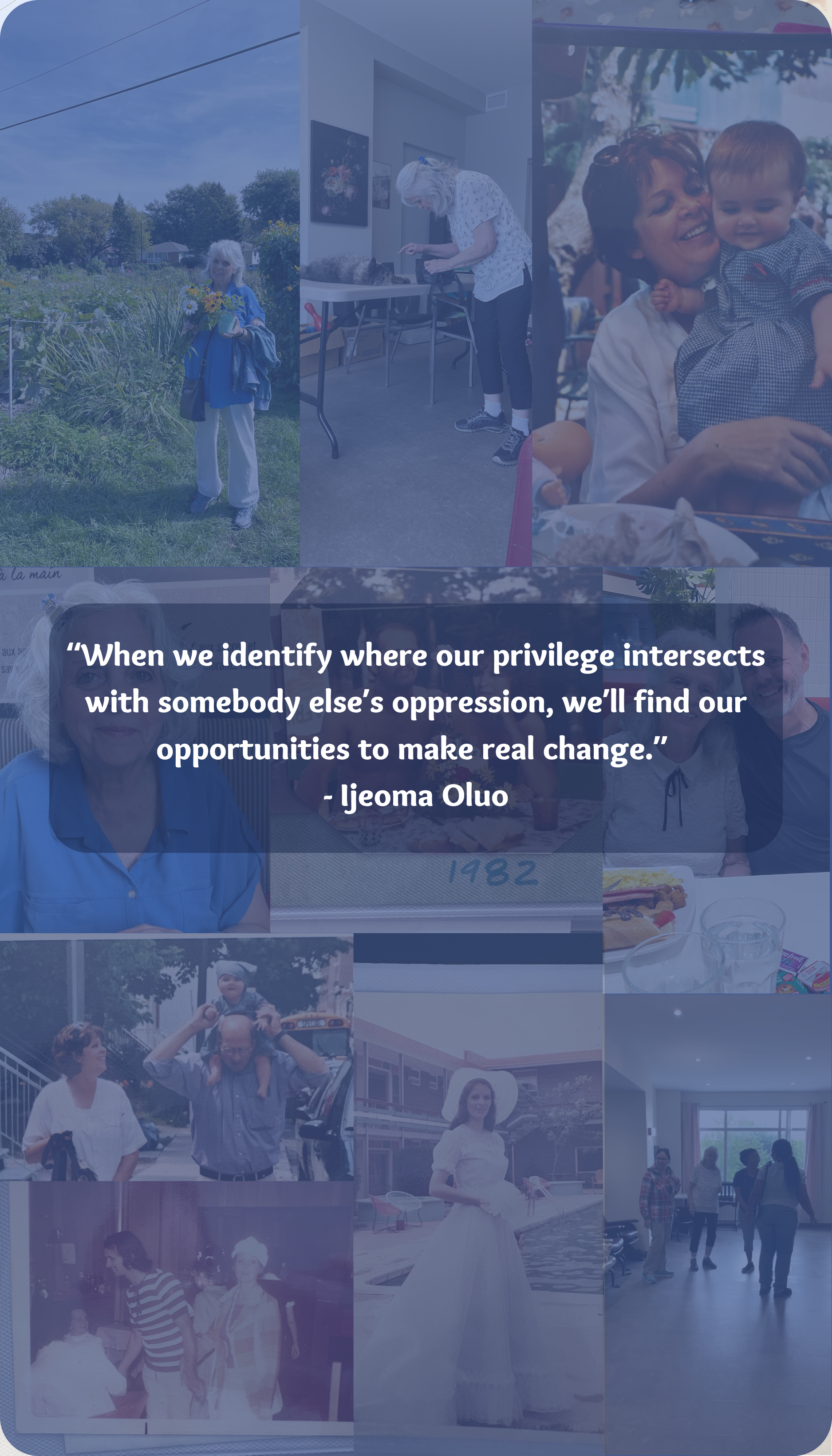
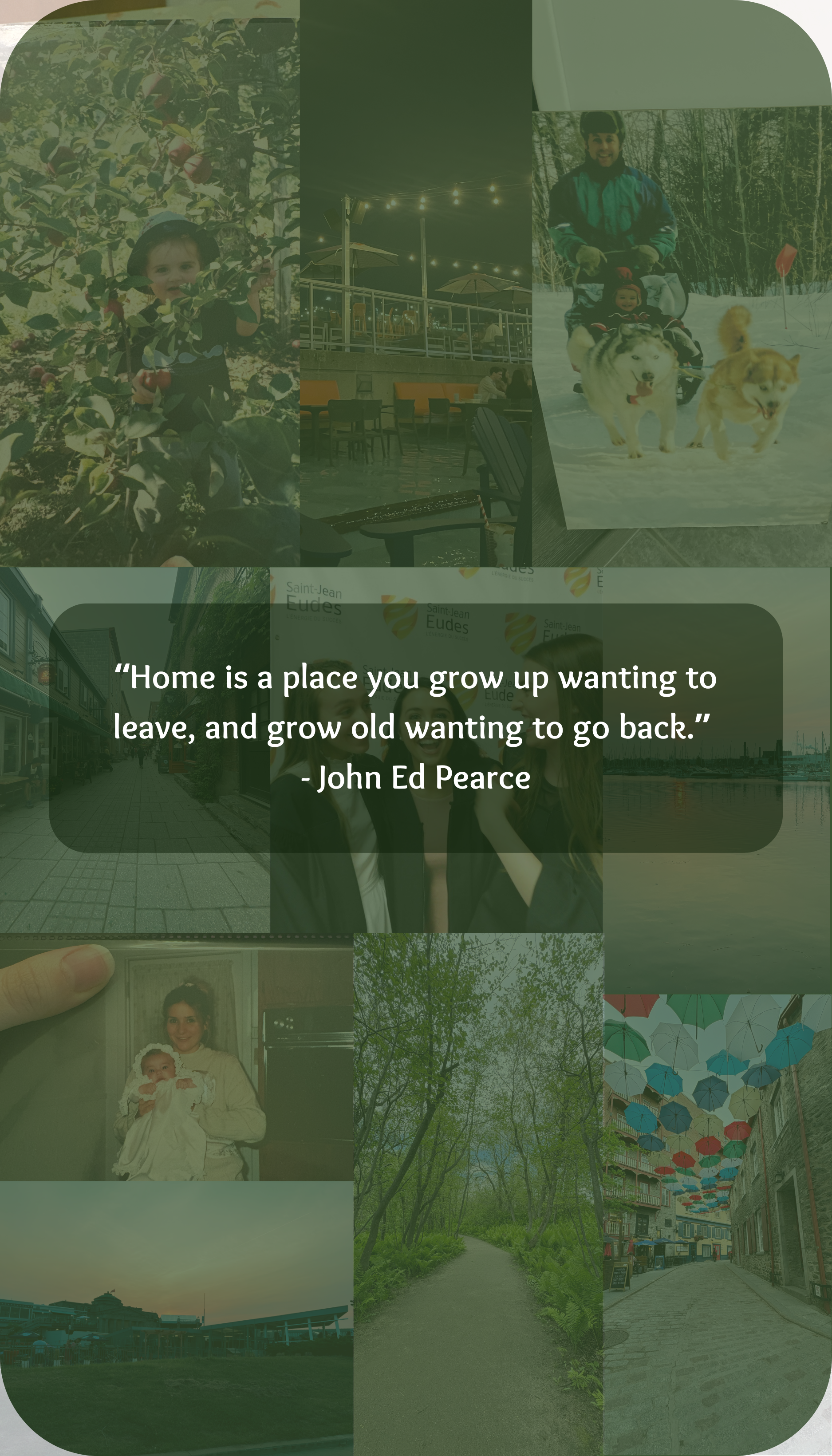
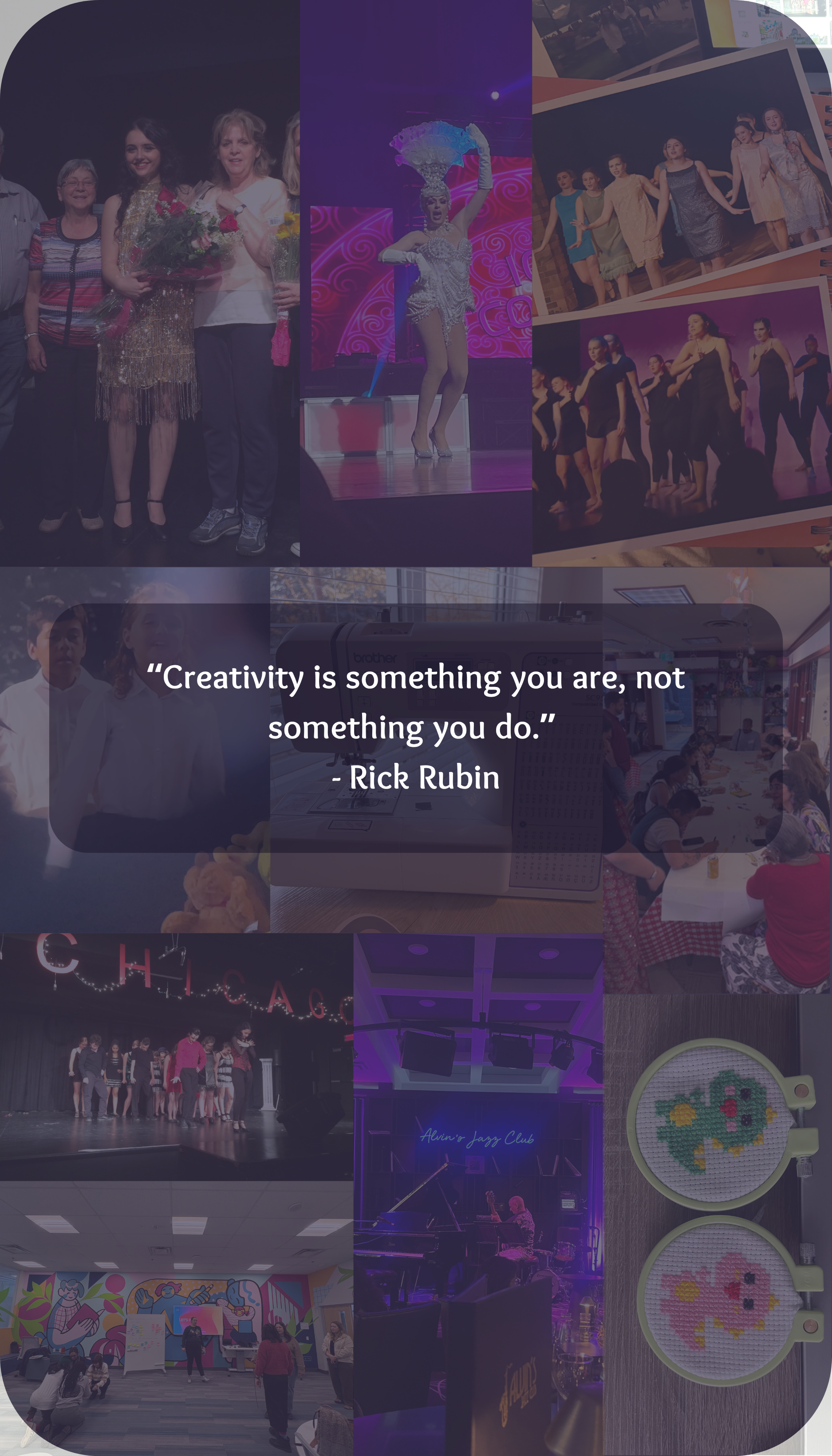
Complete Geo Self-Portrait of 53 images that represent aspects of my identity
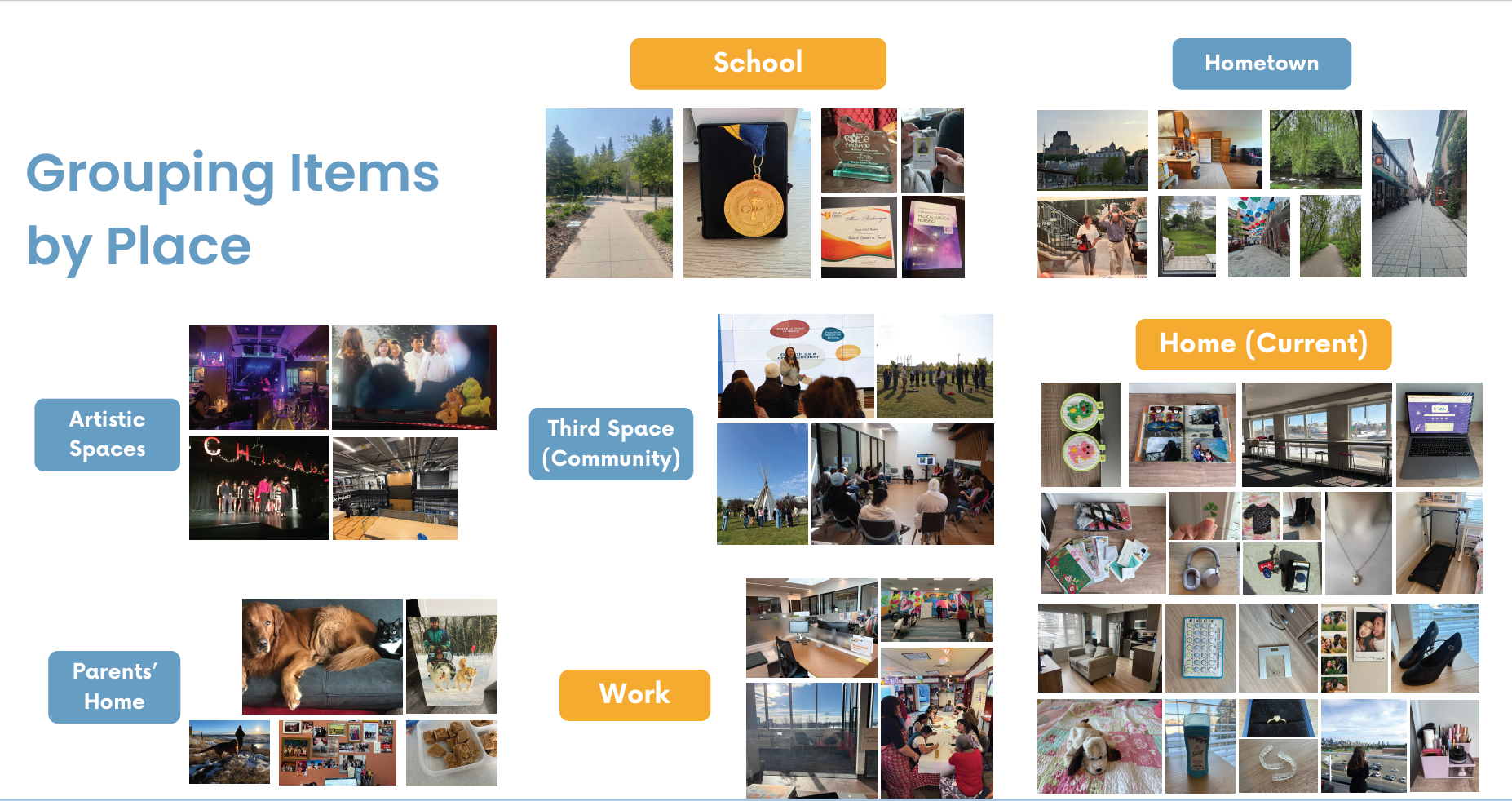
Creating material archive cards
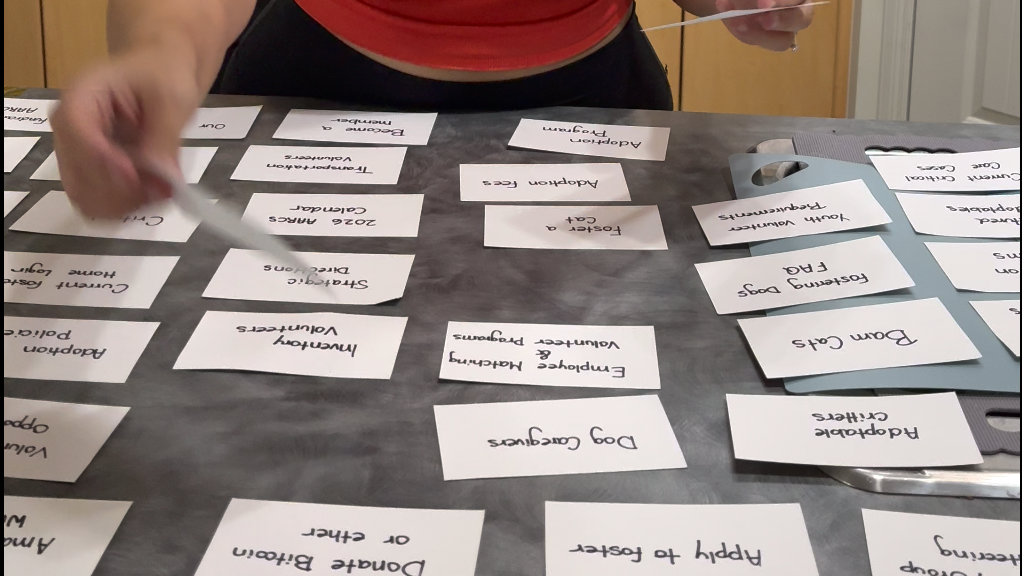
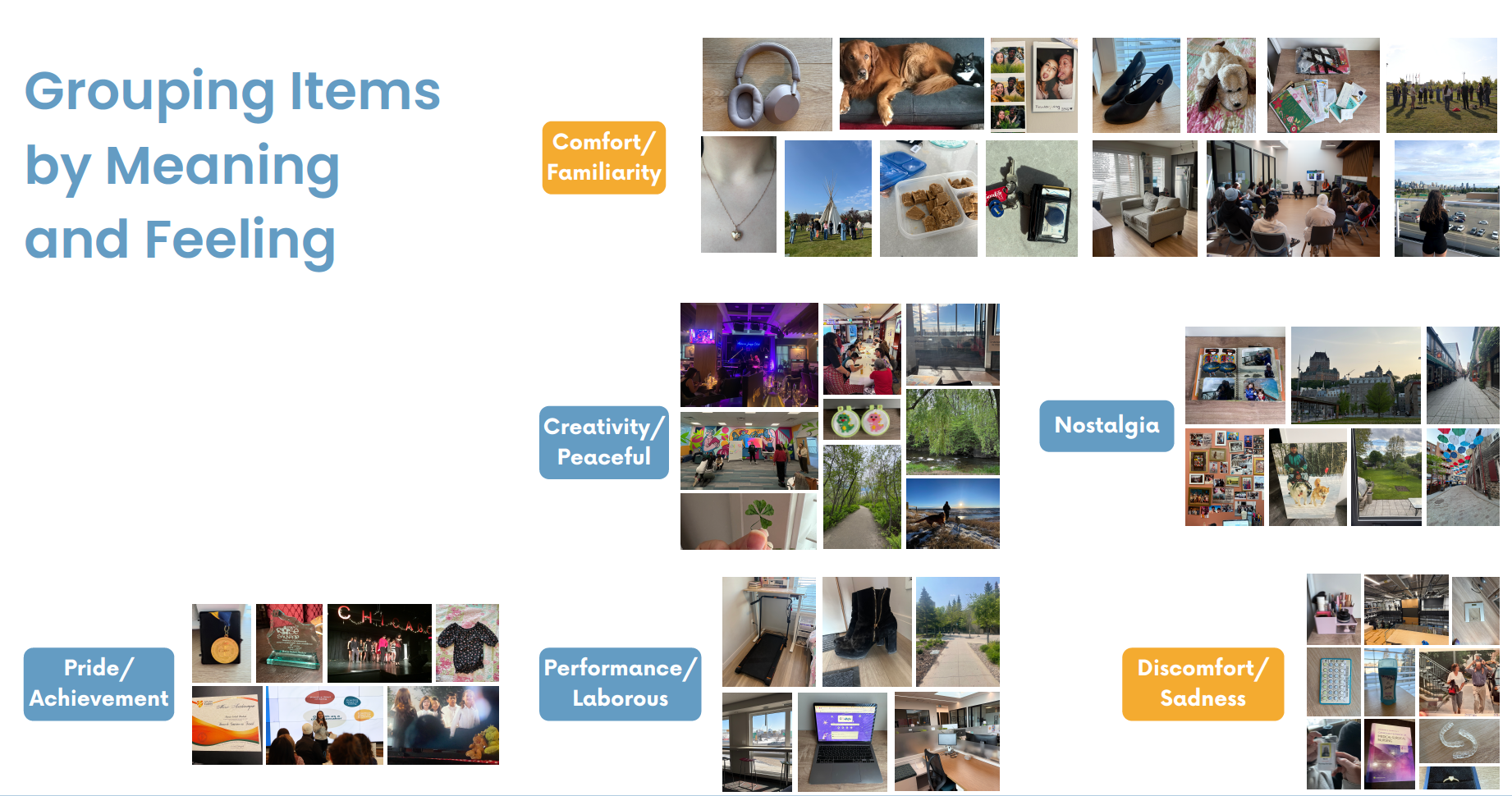
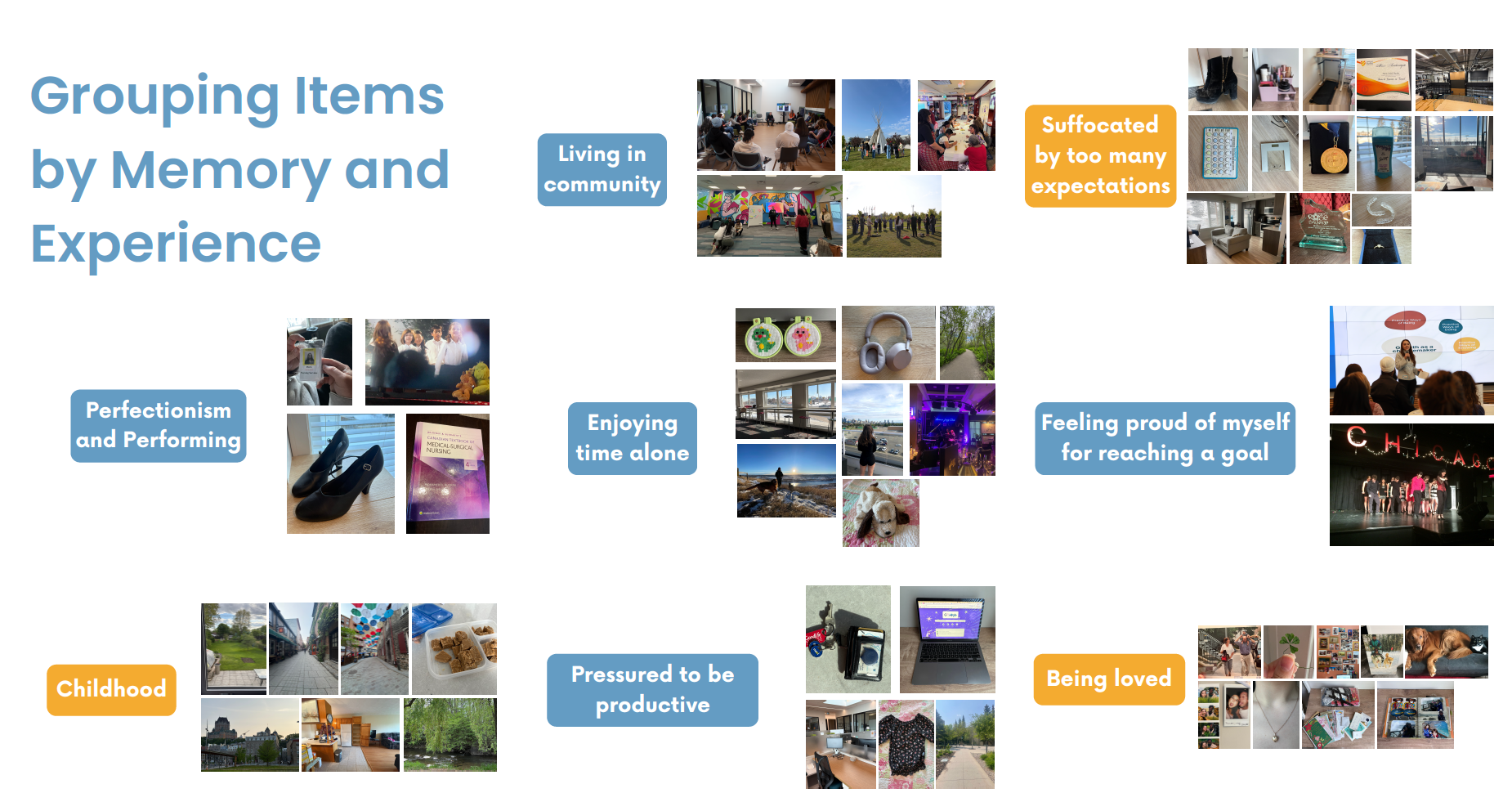
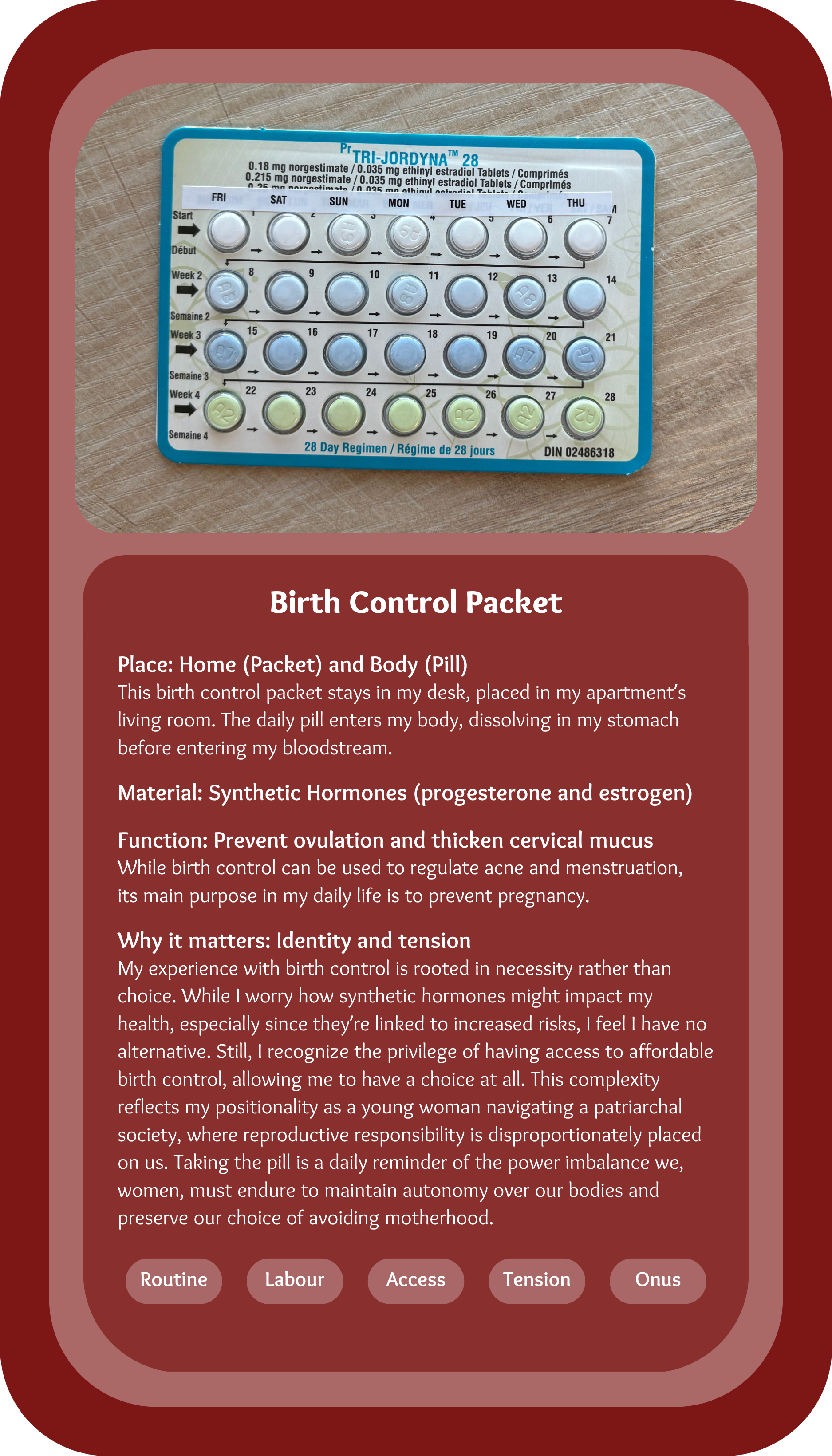
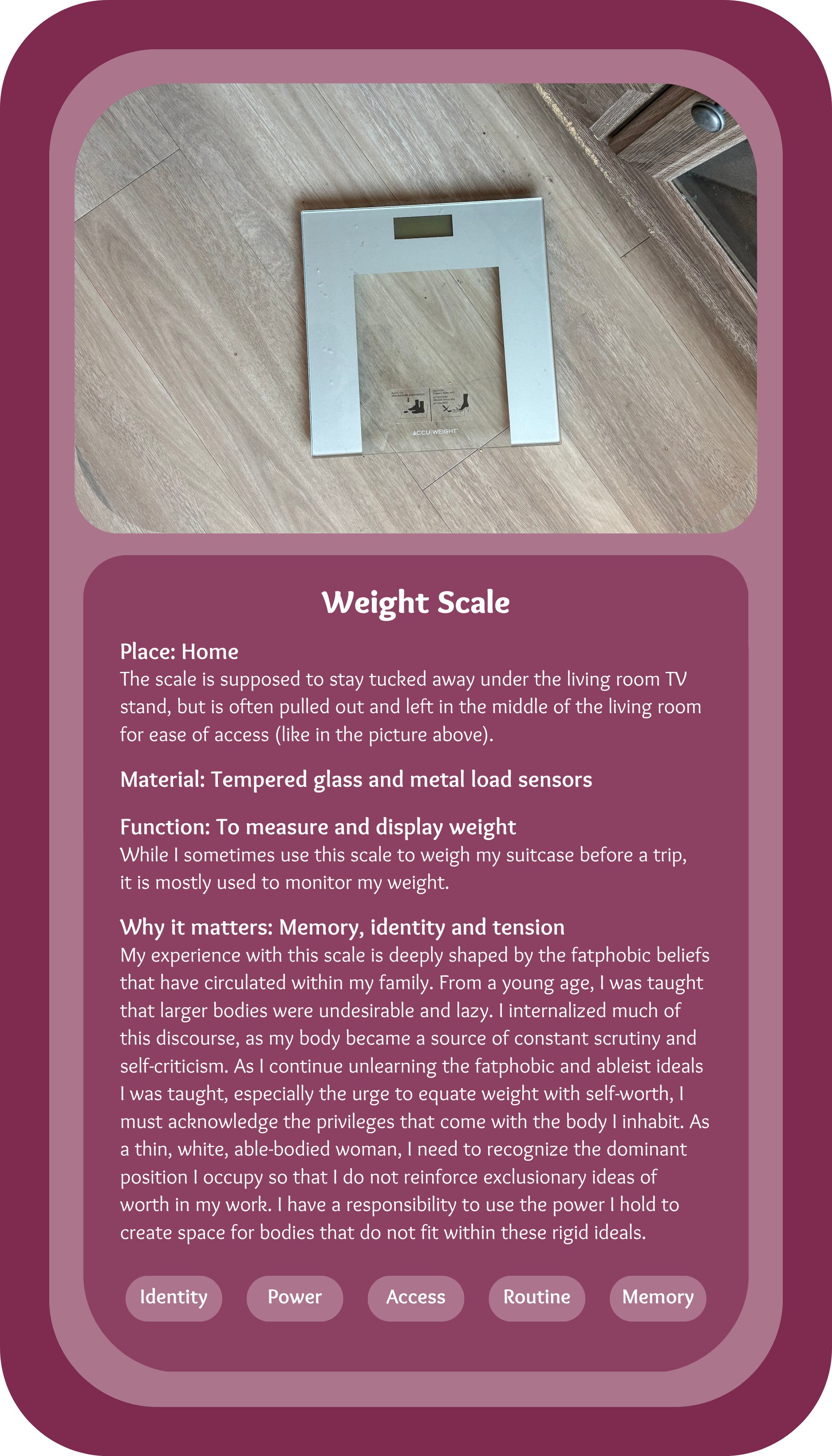
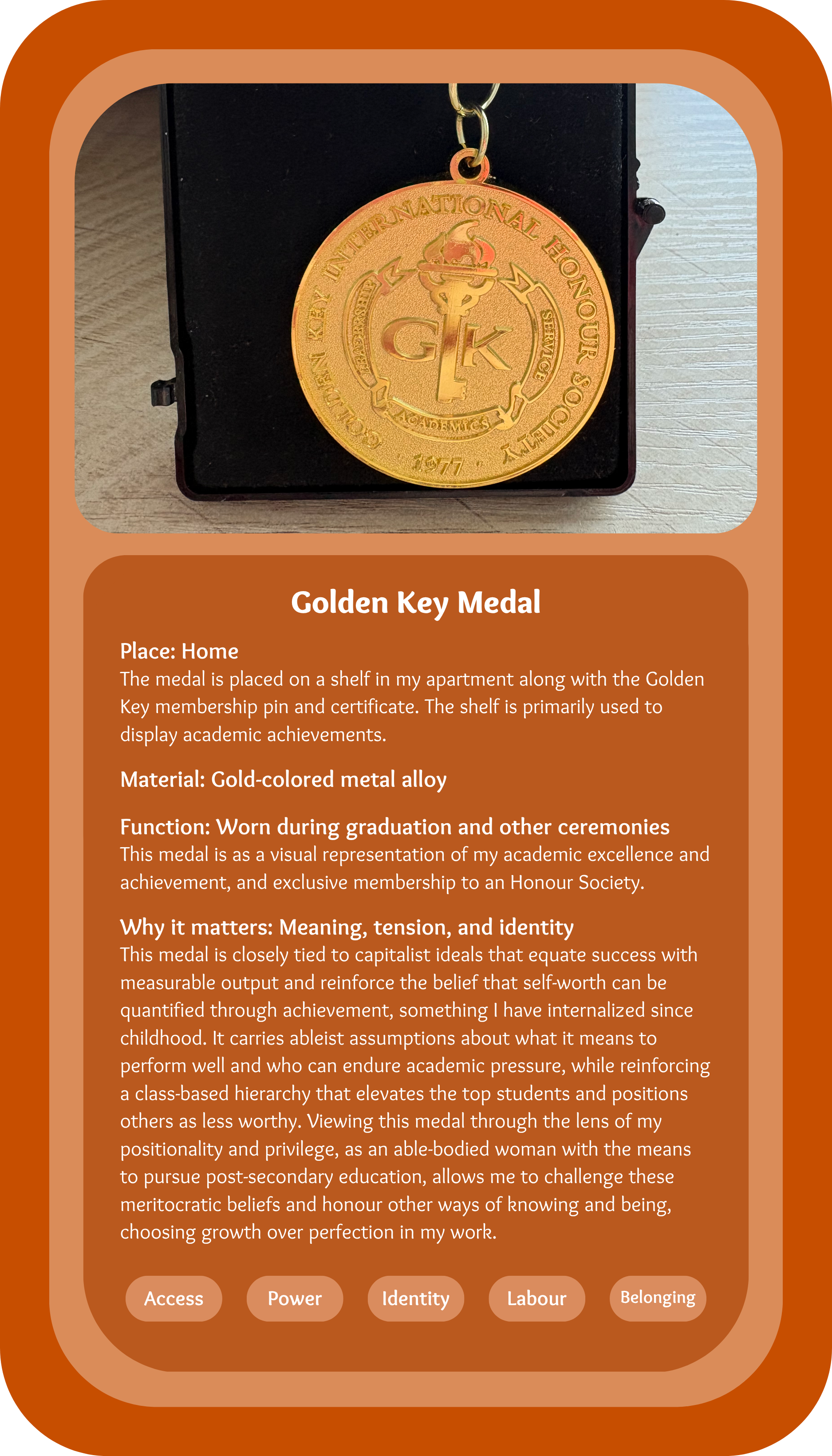
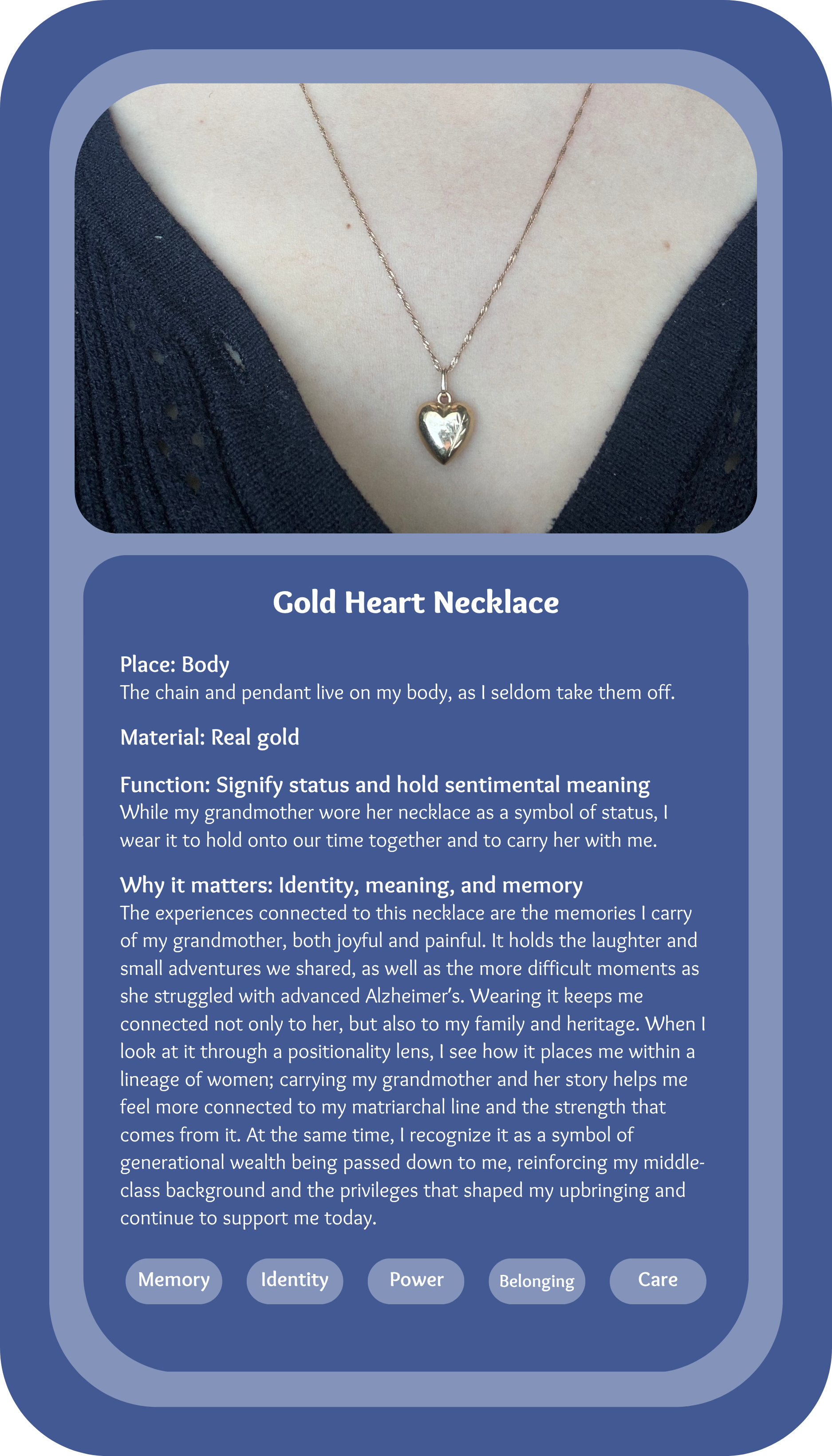
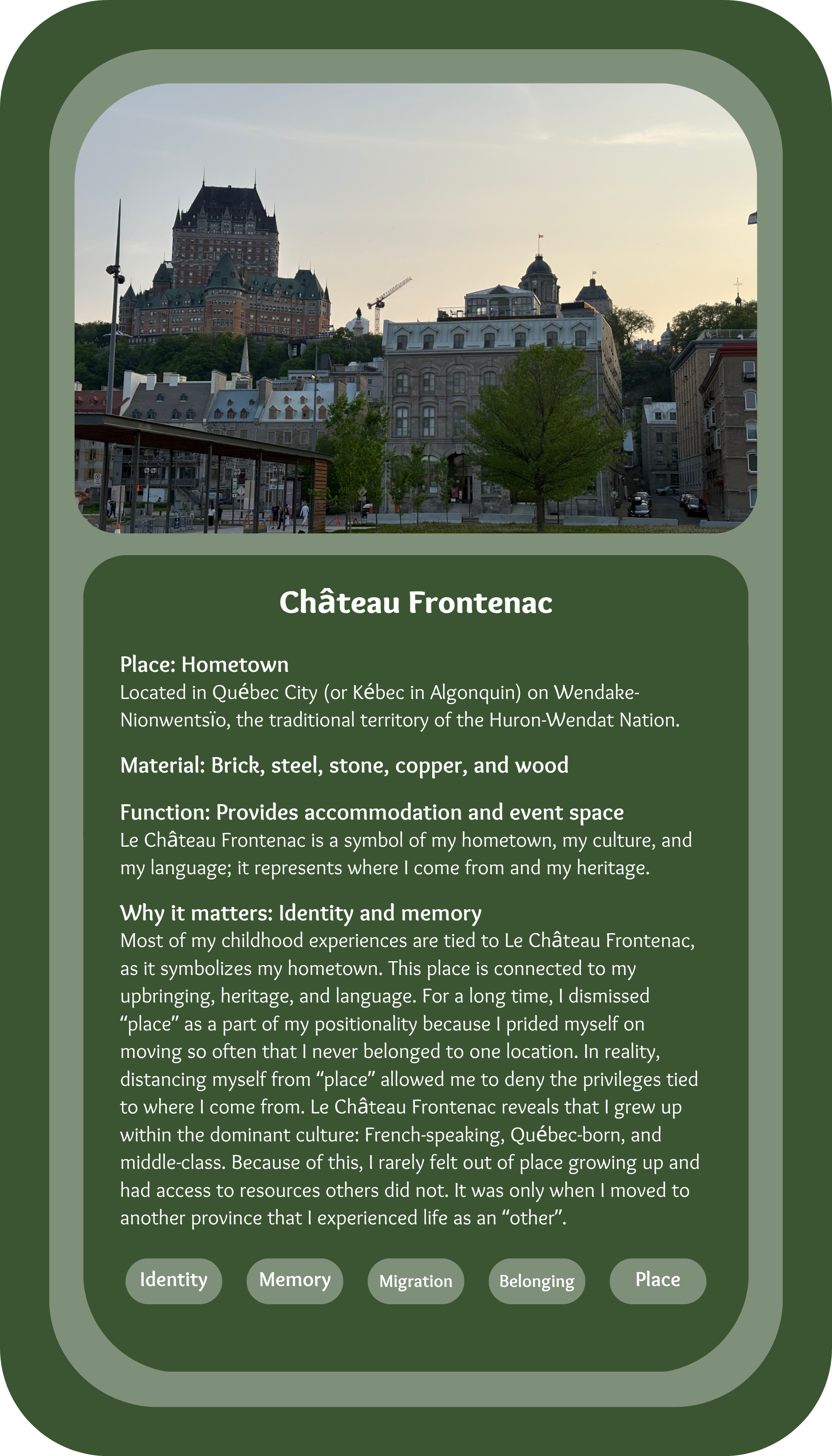
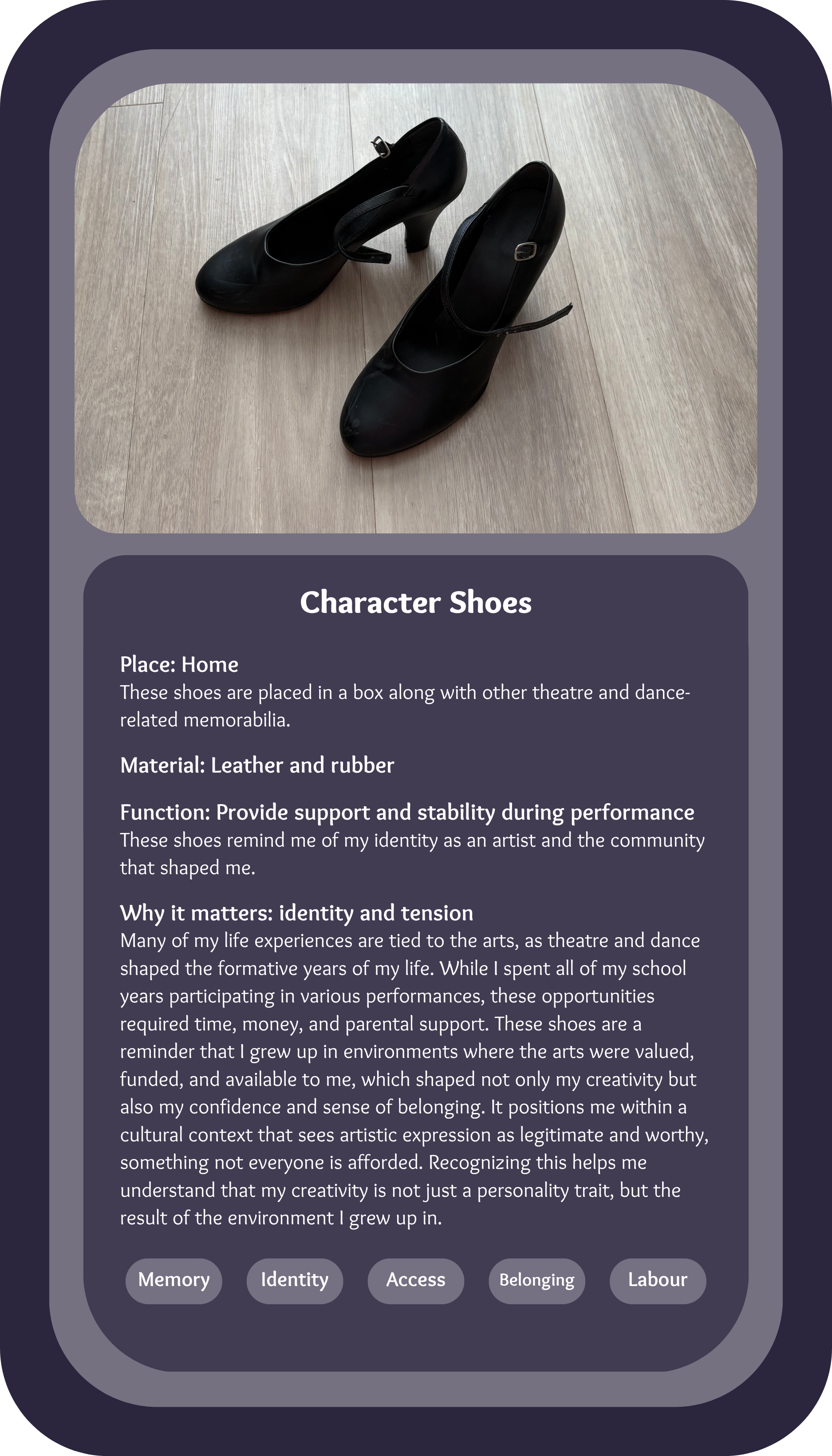
I then selected personal objects and places from my Geo-Self Portrait and grouped them in several ways: by place, by meaning and feeling, by memory and experience, and by routine or daily use. These groupings helped me identify patterns across my life, including themes of achievement, belonging, discomfort, productivity, care, and access.
Each material archive card included an object, its location, material qualities, function, and its significance. This process helped connect personal experiences to broader systems and made the final zine more grounded in lived experiences.
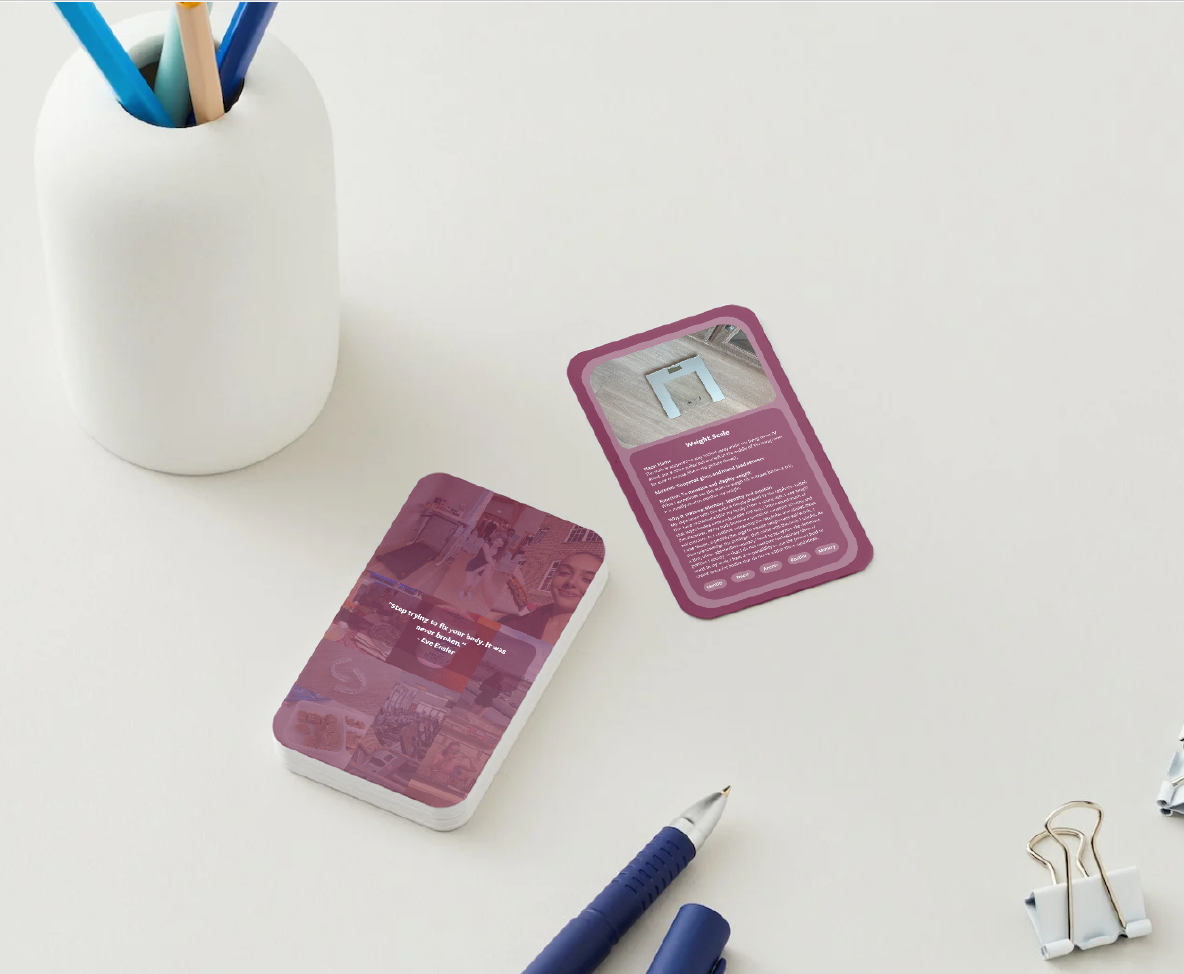
Mockup of my material archive cards
Moving into the zine
The zine became the strongest format for the final artifact because it allowed the project to feel personal, honest, and story-driven.
The process included sketching layouts, gathering visual references, creating hand-drawn illustrations, and experimenting with folded zine structure.
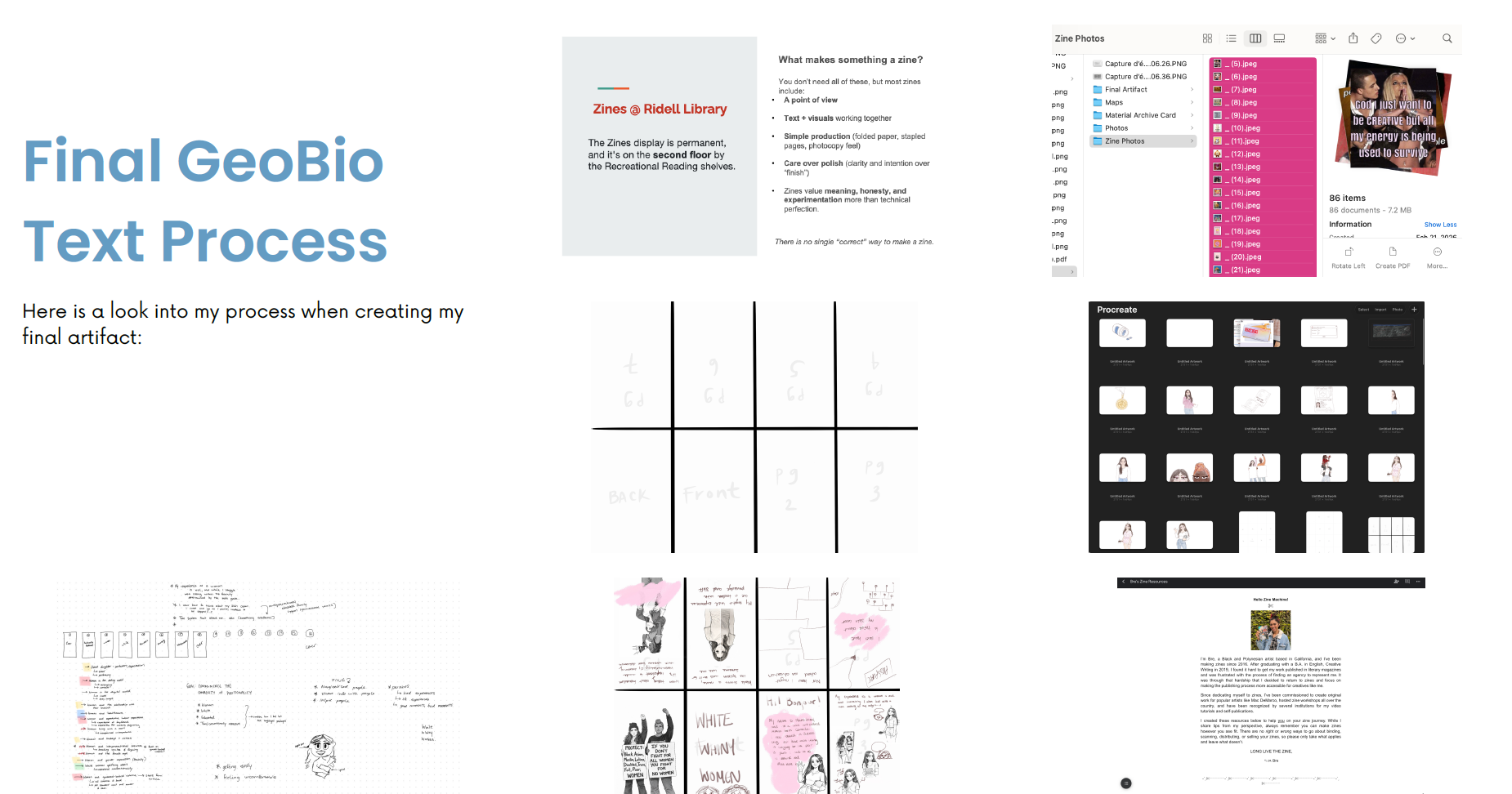
Process of creating the zine
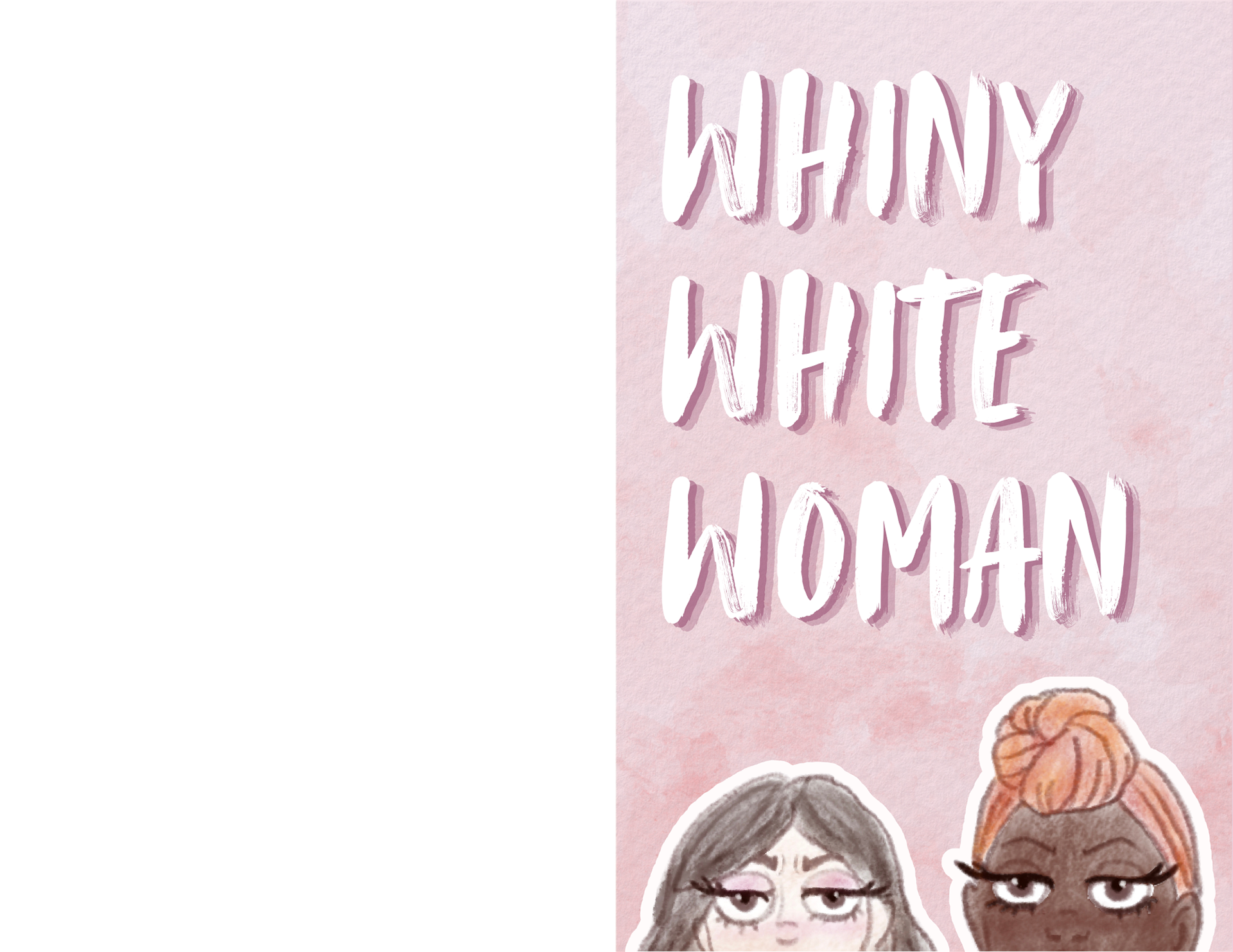
Front Cover Page
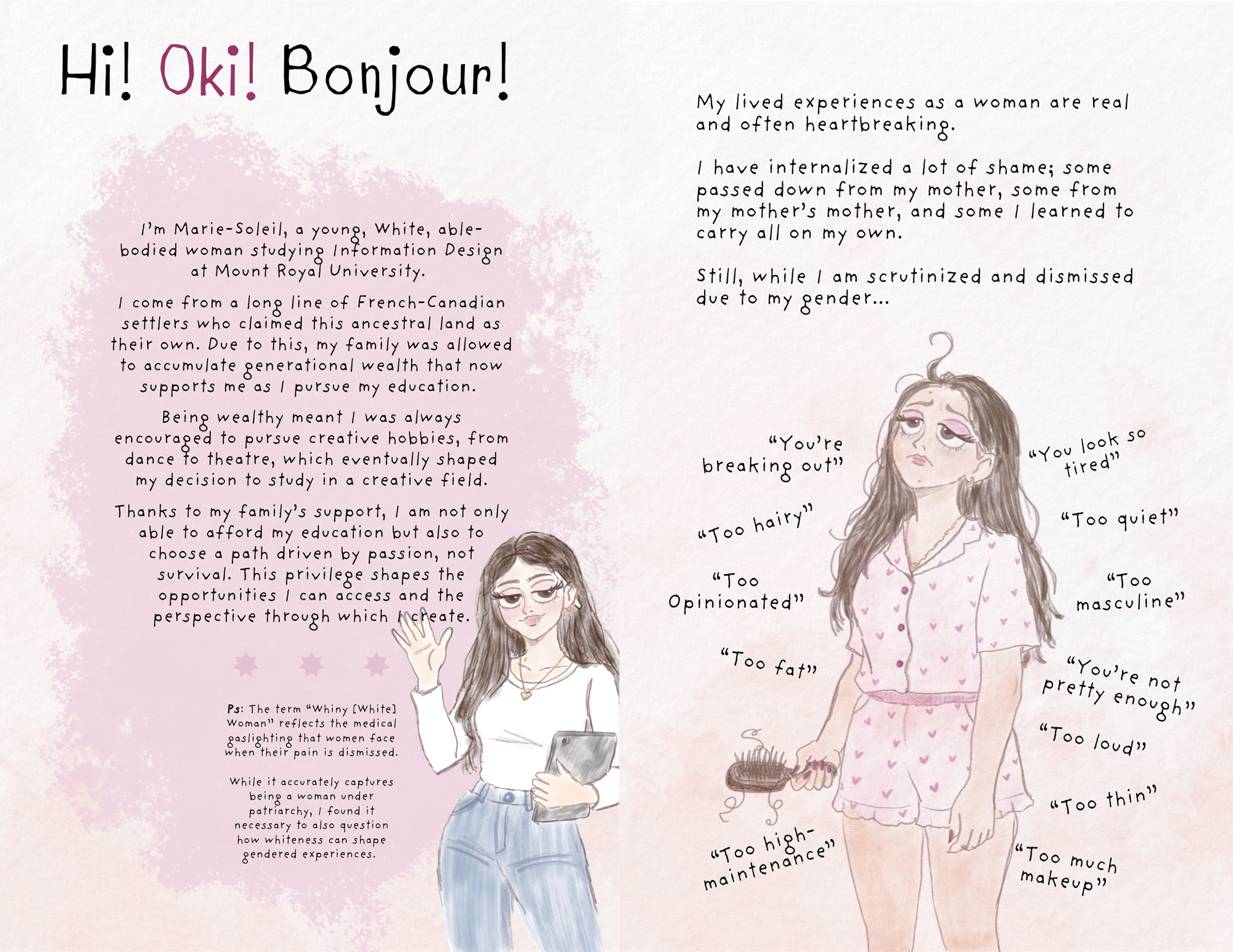
Page 1 and 2
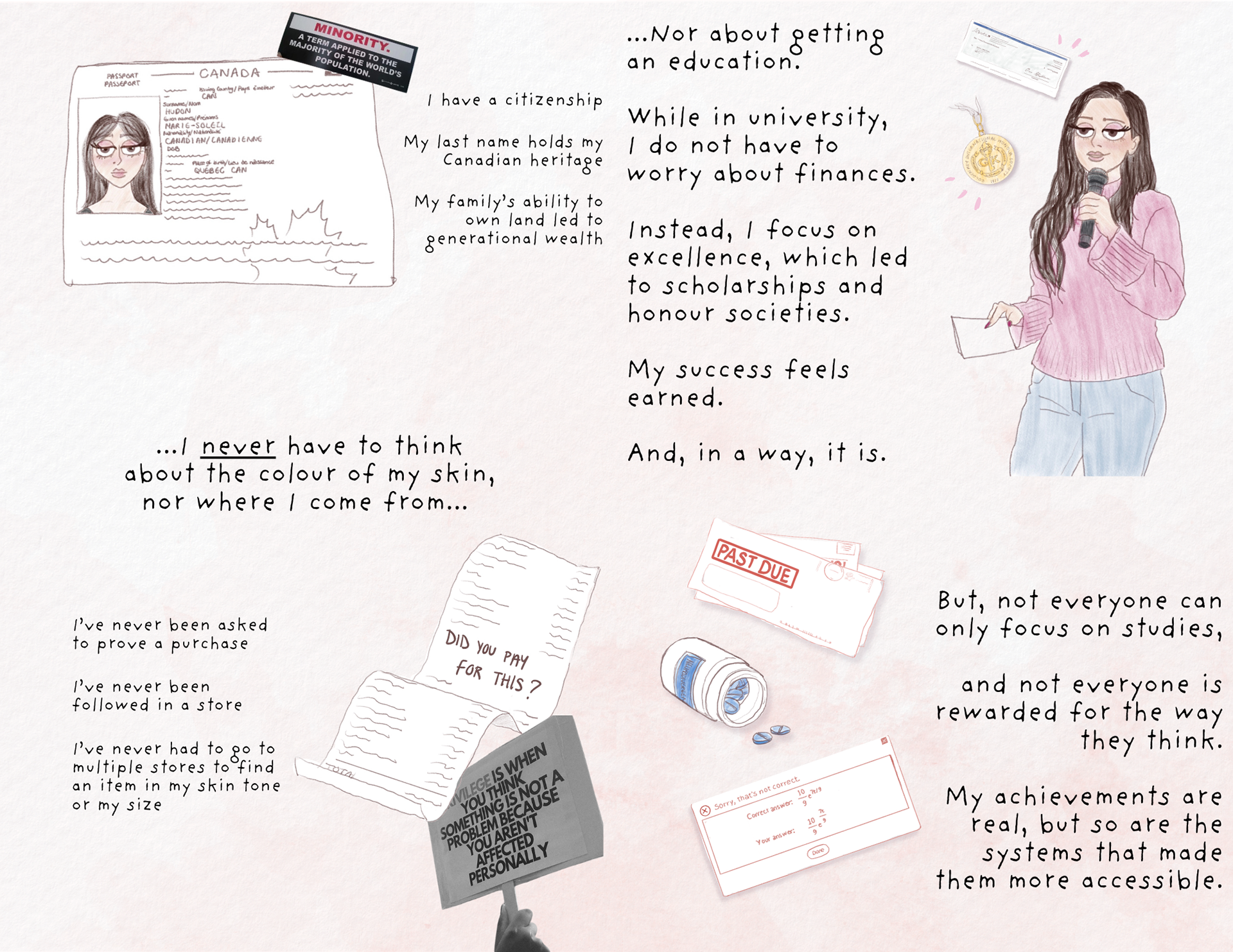
Page 3 and 4
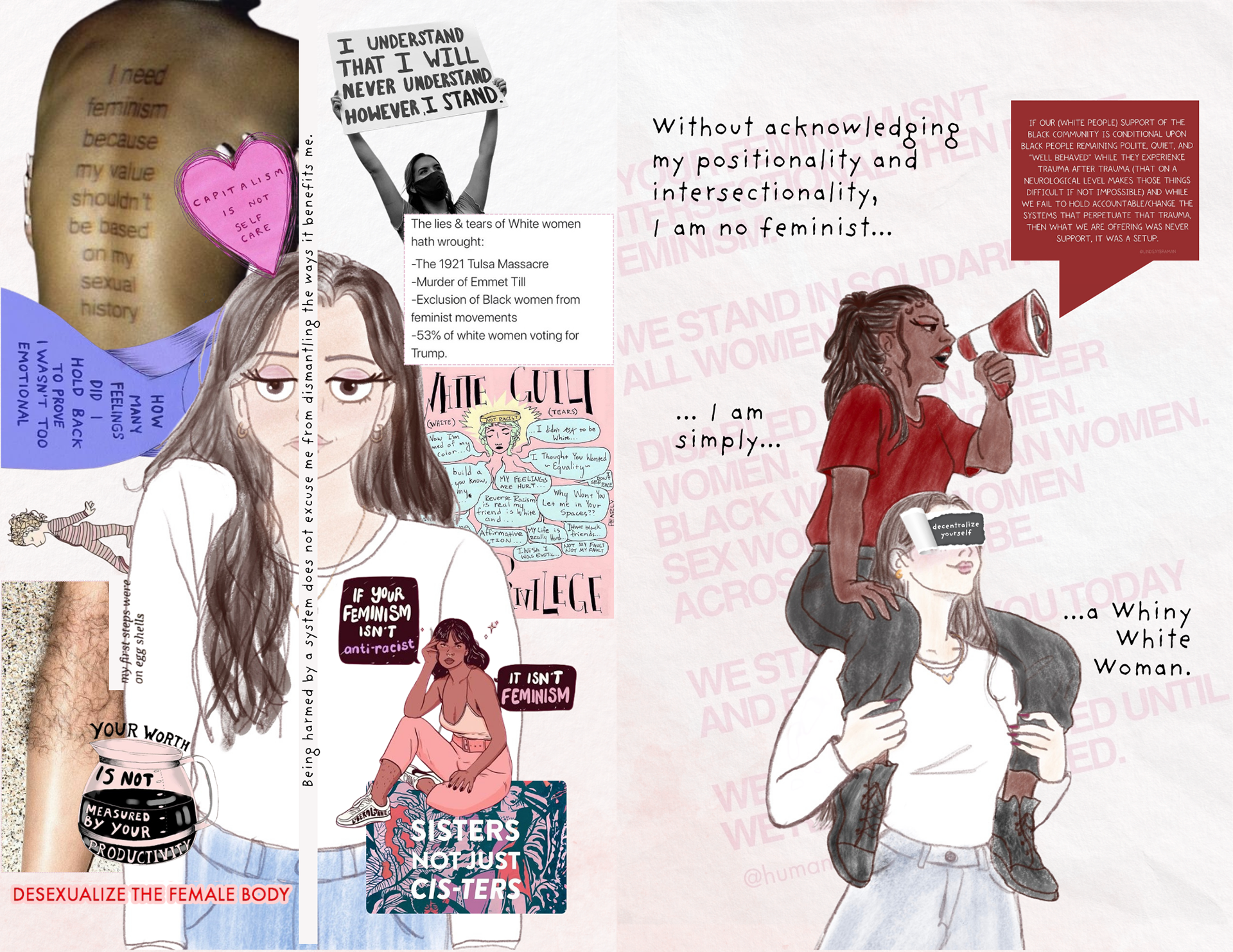
Page 5 and 6
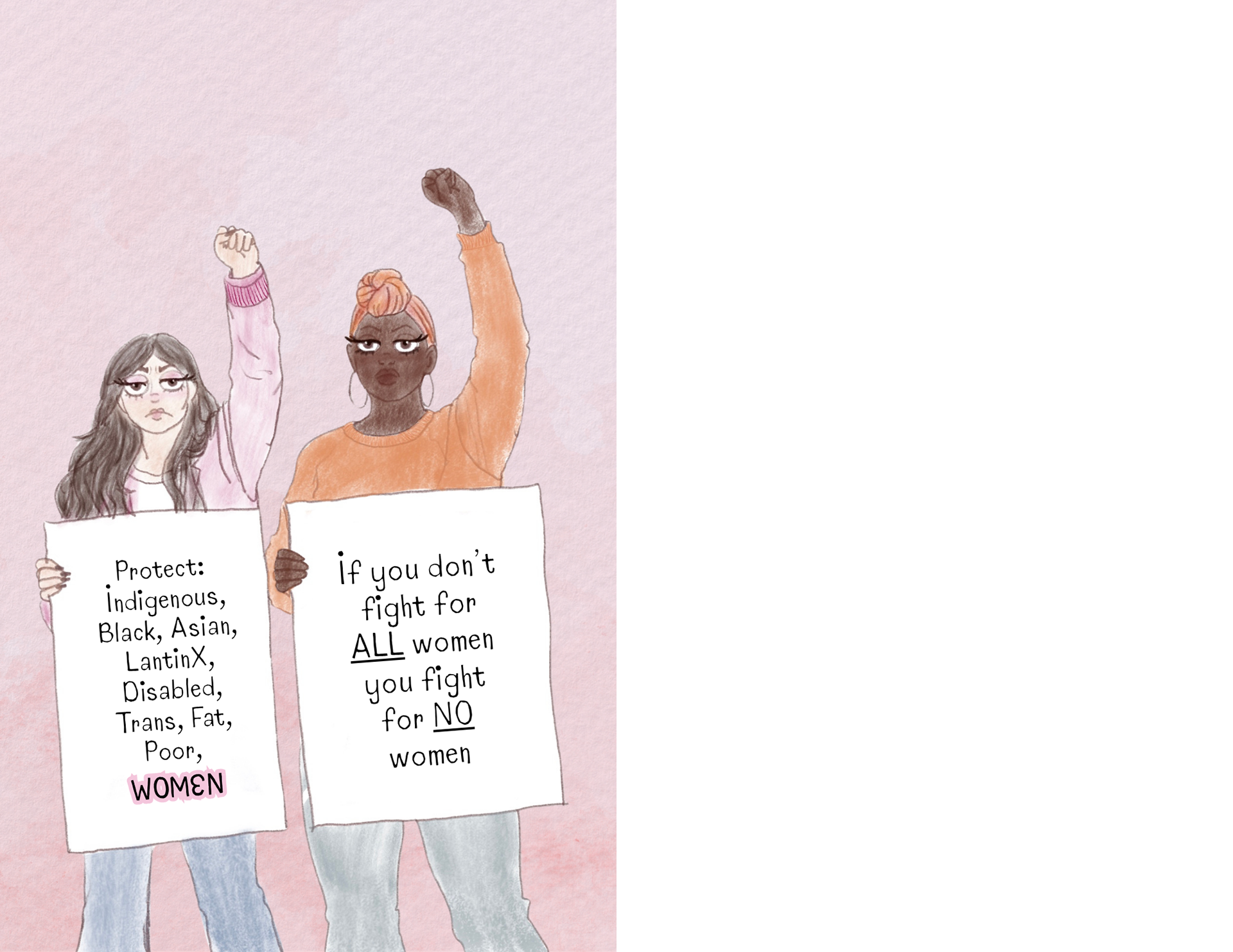
Back Cover Page
Reflection
White Whiny Women became a visual reflection on the discomfort of recognizing privilege while still acknowledging real experiences of gendered harm. The project helped me move from a narrower understanding of my own disadvantage toward a more intersectional understanding of the power I carry in certain contexts.
Through this project, I developed a stronger understanding of how reflective design methods can support more ethical and inclusive information design. It pushed me to think more carefully about how personal narratives are framed, whose experiences are centred, and how design can make invisible systems of power easier to question.
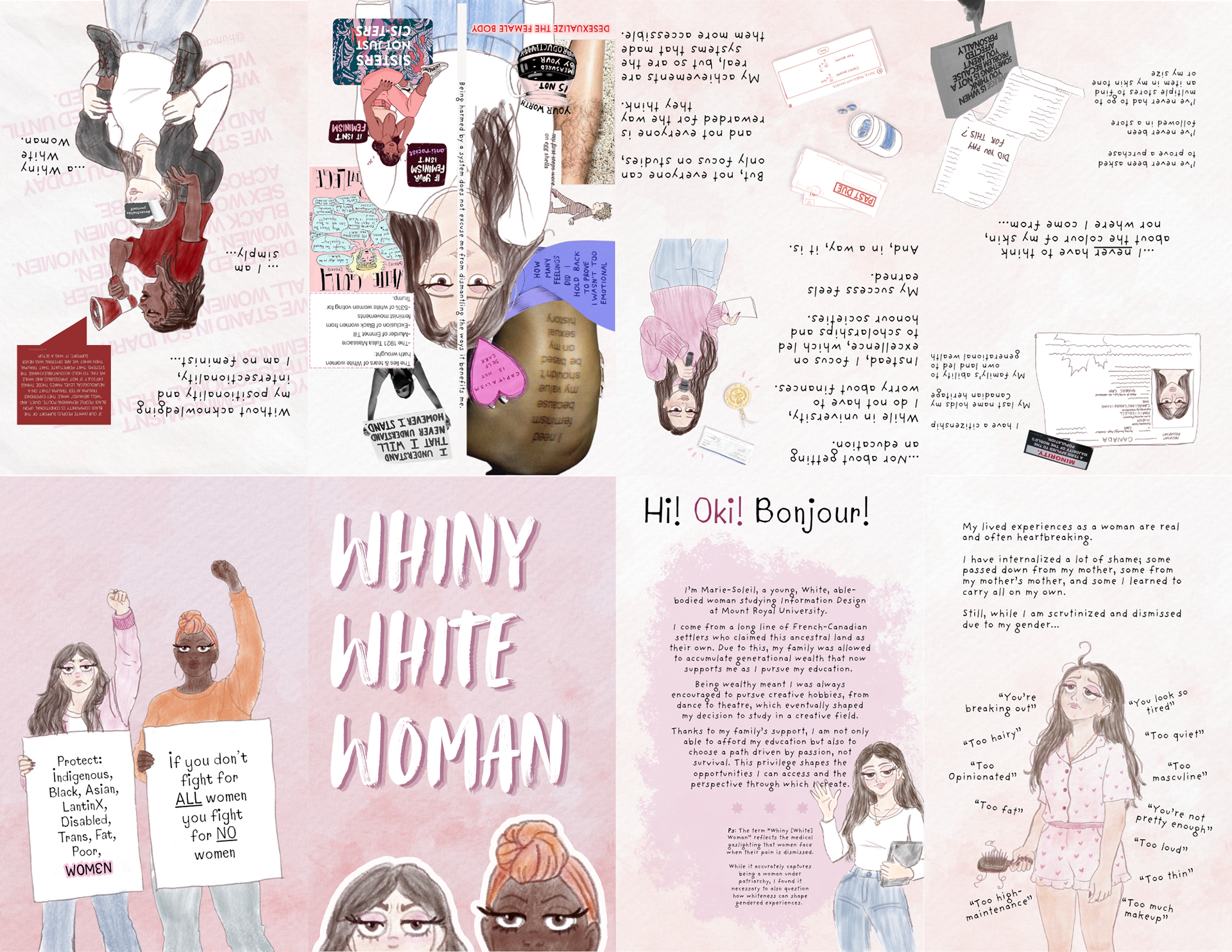
Overview of zine
Artist Statement
I had always understood myself as a woman navigating a patriarchal society and often framed my experiences through that marginalized lens. However, looking at my identity through an intersectional perspective complicated that narrative.
Whiny White Woman explores the in-between space where marginalization and privilege can coexist. When telling my story, I wanted the format to feel vulnerable and raw; I chose to create a zine because this medium is deeply rooted in personal truth-telling and resistance to dominant narratives about identity, power, and whose experiences are valued.
I hope viewers find the zine engaging and a little provocative. I hope it feels relatable at first, especially to other white women, but then invites deeper reflection. Even if the response is critical, I hope the piece sparks conversation and encourages readers to reflect on their own positionality, especially the ways they can experience harm within some systems while still benefiting from others.